
Troy-Bilt 2800 PSI Pressure Washer Manual: A Comprehensive Guide

This comprehensive guide details operation, maintenance, and troubleshooting for your Troy-Bilt 2800 PSI pressure washer, ensuring optimal performance and longevity.
Accessing the manual, rated highly by users, provides detailed instructions for this powerful cleaning tool, built for years of dependable service.
Welcome! This manual serves as your essential guide to effectively and safely operate the Troy-Bilt 2800 PSI pressure washer, model 020676. Congratulations on selecting a quality-built machine designed for a multitude of cleaning tasks around your property. This pressure washer is rated according to the Pressure Washer Manufacturers Association standards, ensuring performance and reliability.
This guide provides detailed instructions, covering everything from initial setup and operation to routine maintenance and troubleshooting. Understanding your equipment is key to maximizing its lifespan and achieving optimal cleaning results. The Troy-Bilt 2800 PSI model boasts a robust all-steel base, offering twice the corrosion resistance compared to standard models.
Before first use, carefully review the safety precautions outlined within this manual. Knowing your model and serial number is crucial for accessing the correct support and replacement parts. This manual will empower you to confidently tackle various cleaning projects with your new Troy-Bilt pressure washer.
Understanding Pressure Washer Ratings: PSI and GPM
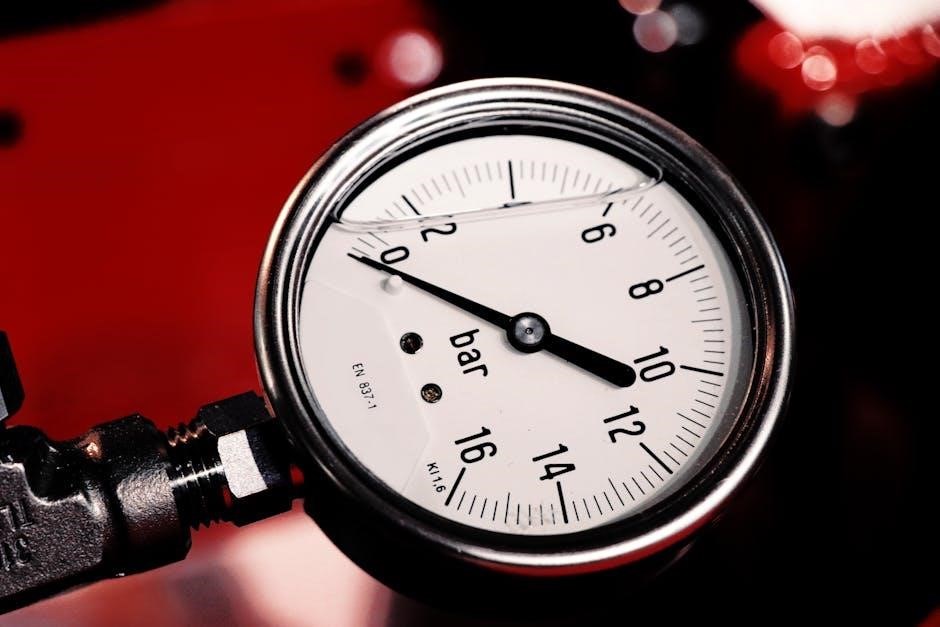
When selecting and utilizing a pressure washer, understanding PSI (pounds per square inch) and GPM (gallons per minute) is crucial. PSI measures the force of the water stream – higher PSI equates to greater cleaning power. Your Troy-Bilt 2800 PSI model delivers substantial force for tackling tough grime and dirt.
However, PSI alone doesn’t tell the whole story. GPM indicates the volume of water delivered per minute. A higher GPM means faster cleaning, as it rinses away debris more efficiently. The Troy-Bilt 2800 PSI offers 2.1 GPM, providing a balance between power and water usage.

These ratings determine the washer’s effectiveness on different surfaces. Lower PSI and GPM are suitable for delicate tasks, while higher ratings are ideal for heavy-duty cleaning. Always consider the surface material and adjust settings accordingly to prevent damage.

Safety First: Important Precautions
Prioritize safety when operating your Troy-Bilt 2800 PSI pressure washer; always follow all instructions and guidelines to prevent injury or damage.
General Safety Rules for Pressure Washers
Before operating any pressure washer, including the Troy-Bilt 2800 PSI model, thoroughly read and understand all safety instructions and the operator’s manual. Never point the wand at yourself or others. Wear safety goggles to protect your eyes from debris. Securely connect the water supply, ensuring a minimum of 20 PSI at the washer’s inlet.
Avoid using the pressure washer on electrical connections or near live electrical wires. Keep bystanders, especially children and pets, at a safe distance during operation. Never modify the pressure washer in any way, as this could compromise safety features. Always disconnect the power source or engine when not in use or performing maintenance.
Be mindful of the surface you are cleaning; high pressure can damage delicate materials. Use appropriate nozzles and pressure settings for the task. Never operate the pressure washer without all safety devices in place and functioning correctly. Inspect the hose for damage before each use, and replace it if necessary.
Specific Safety Instructions for Troy-Bilt 2800 PSI
When utilizing the Troy-Bilt 2800 PSI pressure washer, always ensure proper ventilation, especially when operating indoors or in enclosed spaces; Never operate the unit if the spray gun, wand, or hose are damaged. Regularly inspect all connections for leaks and secure them appropriately.
Be cautious of the high-pressure spray, which can cause serious injury. Maintain a firm grip on the spray wand and nozzle. Avoid spraying flammable liquids, as this could create a fire hazard. Do not use the pressure washer for cleaning asbestos-containing materials.
Always shut off the engine and disconnect the spark plug wire before performing any maintenance or repairs. Allow the engine to cool completely before refueling. Store the pressure washer in a dry, secure location, out of reach of children. Familiarize yourself with the location of all safety features and emergency shut-off mechanisms.

Components and Features
The Troy-Bilt 2800 PSI pressure washer boasts a durable all-steel base, a powerful engine, and a robust pump, alongside essential nozzles, hoses, and a detergent tank.
Pressure Washer Diagram & Parts Identification
Understanding the components of your Troy-Bilt 2800 PSI pressure washer is crucial for proper operation and maintenance. A detailed diagram, typically found within the owner’s manual, illustrates each part’s location and function. Key components include the high-pressure hose, connecting to both the pump and the spray wand.
The spray wand itself accepts various nozzles, each delivering a different spray pattern – from a wide fan for general cleaning to a concentrated jet for stubborn grime. The pump is the heart of the system, generating the high pressure. The engine powers the pump.
Furthermore, identify the detergent tank, often integrated into the unit, and the trigger gun controlling water flow. The all-steel base provides stability. Familiarize yourself with these parts; knowing their names and locations will simplify troubleshooting and replacement when needed, ensuring your pressure washer continues to deliver powerful cleaning performance.
Nozzle Selection and Usage
Choosing the correct nozzle is vital for effective and safe pressure washing with your Troy-Bilt 2800 PSI unit. Different nozzles deliver varying spray patterns and intensities, suited for diverse cleaning tasks. A 0-degree nozzle produces a concentrated stream for removing stubborn dirt, but use caution as it can damage surfaces.
A 15-degree nozzle offers a more moderate spray, ideal for concrete and siding. The 25-degree nozzle is excellent for general cleaning, while the 40-degree nozzle provides a wider fan for delicate surfaces. A soap nozzle, typically black, applies detergent at a lower pressure.
Always test the nozzle on an inconspicuous area first to assess its impact. Remember, higher numbers indicate wider spray patterns and lower pressure. Proper nozzle selection prevents damage and maximizes cleaning efficiency, extending the life of both your washer and the surfaces you clean.
Hose and Wand Assembly
Proper assembly of the hose and wand is crucial for safe and effective operation of your Troy-Bilt 2800 PSI pressure washer. Begin by firmly connecting the high-pressure hose to the pressure washer pump outlet, ensuring a secure, leak-proof fit. Hand-tighten, then use a wrench for a final quarter-turn.

Next, attach the wand to the other end of the hose, again verifying a tight connection. Before each use, inspect the hose for any cracks, bulges, or damage. Never use a damaged hose, as it could burst under pressure.
Ensure the wand’s locking mechanism is fully engaged before operation. Always point the wand away from yourself and others during assembly and use. A correctly assembled hose and wand deliver optimal water flow and prevent potential hazards.
Detergent Tank and System
The Troy-Bilt 2800 PSI pressure washer features an integrated detergent tank for efficient cleaning. This system allows you to apply soap or detergent during operation, enhancing cleaning power. Fill the tank with a detergent specifically designed for pressure washers, following the manufacturer’s dilution instructions.
The detergent selection knob controls the flow of detergent. Typically, a “Low Pressure” setting is used for applying detergent, as higher pressures can reduce its effectiveness. Ensure the suction tube within the tank reaches the bottom to draw detergent effectively.
Regularly flush the detergent system after each use to prevent clogging. Avoid using abrasive cleaners, as they can damage the pump and seals. Proper detergent usage maximizes cleaning results and prolongs the life of your pressure washer.

Operation Instructions
Follow these instructions for safe and effective use of your Troy-Bilt 2800 PSI pressure washer, ensuring proper setup, starting, and pressure adjustments for optimal cleaning.
Initial Setup and Water Supply Connection
Before first use, carefully inspect your Troy-Bilt 2800 PSI pressure washer for any damage during shipping. Ensure all components are present and securely attached. Begin by connecting the high-pressure hose to both the pump outlet and the spray wand, tightening securely with the provided fittings.
Next, connect a standard garden hose to the water inlet on the pressure washer. Crucially, the water supply must have a minimum pressure of 20 PSI (1.4 BAR) at the washer end. Ensure the garden hose is not kinked or damaged, as this will restrict water flow and affect performance.
Before starting the engine, fully open the water supply valve. This primes the pump and prevents damage. Check for leaks at all connections. Always ensure a stable and level surface for operation to prevent tipping and ensure consistent water intake. Proper water connection is vital for safe and efficient operation.
Starting and Stopping the Engine
To start your Troy-Bilt 2800 PSI pressure washer, ensure the water supply is fully connected and the unit is on a level surface. Check the oil level and add if necessary, using the recommended oil type. Turn the fuel valve to the ‘ON’ position and slowly pull the starter cord until the engine ignites. Allow the engine to warm up for a few minutes before applying full pressure.
To stop the engine, first release the spray trigger. Turn the fuel valve to the ‘OFF’ position. Allow the engine to run until it stalls, consuming any remaining fuel in the carburetor. Never abruptly stop the engine by disconnecting the spark plug wire, as this can cause damage.
Always disconnect the spark plug wire for extended periods of non-use or during maintenance. Ensure the area is well-ventilated during operation and follow all safety precautions outlined in the manual.
Adjusting Pressure Settings (Low/High)
Your Troy-Bilt 2800 PSI pressure washer features adjustable pressure settings, allowing versatility for various cleaning tasks. The pressure is typically adjusted using a nozzle selection system or a dedicated pressure control dial. For lighter duties like washing vehicles or patio furniture, select the ‘Low’ pressure setting or a wider-angle nozzle.
To increase the pressure for tougher jobs like removing stubborn dirt or grime from concrete, switch to the ‘High’ pressure setting or a narrower-angle nozzle. Always start with the lowest pressure setting and gradually increase it as needed, testing on an inconspicuous area first.
Remember that higher pressure can damage surfaces, so exercise caution. The black nozzle is generally for applying detergent at low pressure, while higher pressures are for cleaning.
Applying Detergent
The Troy-Bilt 2800 PSI pressure washer is equipped with a detergent tank for convenient cleaning solutions application. Ensure the tank is securely attached and filled with a pressure washer-approved detergent. Never use household cleaners, as they can damage the pump.
To apply detergent, first, select the low-pressure setting and the black soap nozzle. This prevents excessive foaming and ensures proper dilution. Pull the trigger to initiate detergent flow; some models have a separate detergent adjustment dial to control the mixture ratio.
Allow the detergent to dwell on the surface for a few minutes, then switch to a high-pressure nozzle to rinse thoroughly. Always rinse from top to bottom to avoid streaking.

Maintenance and Troubleshooting
Regular maintenance ensures peak performance of your Troy-Bilt 2800 PSI pressure washer; addressing common issues promptly extends its lifespan and cleaning power.
Routine Maintenance Schedule
To maximize the life and performance of your Troy-Bilt 2800 PSI pressure washer, adhere to this routine maintenance schedule. After each use, thoroughly flush the detergent tank with clean water to prevent clogging and residue buildup. Inspect the high-pressure hose for any signs of wear, damage, or leaks, replacing it if necessary.
Every 25 hours of operation, or at least annually, check the engine oil level and add oil as needed, using the manufacturer’s recommended type. Clean the water inlet screen to ensure adequate water flow. Inspect the nozzles for clogs and clean or replace them.
Annually, before storing the unit for extended periods, perform a complete cleaning, including the pump and exterior surfaces. Consider using a pump protector to prevent corrosion during storage. Regularly inspect all connections for tightness and address any loose components. Following this schedule will help maintain optimal cleaning performance and prevent costly repairs.
Cleaning and Storing the Pressure Washer
Proper cleaning and storage are crucial for maintaining your Troy-Bilt 2800 PSI pressure washer’s longevity. After each use, disconnect the water supply and nozzle. Flush the pump and hose with clean water to remove any remaining detergent or debris, preventing internal corrosion. Wipe down the exterior surfaces with a damp cloth to remove dirt and grime;
Before long-term storage, completely drain all water from the pump, hose, and detergent tank to avoid freezing damage. Store the unit in a clean, dry, and frost-free location. Consider applying a pump protector to safeguard internal components during extended periods of inactivity.
Inspect the hose for cracks or wear and store it loosely coiled to prevent kinks. Ensure all connections are secure, and protect the unit from dust and sunlight. Following these steps will ensure your pressure washer is ready for its next use.
Troubleshooting Common Issues
If your Troy-Bilt 2800 PSI pressure washer fails to start, first check the fuel level and spark plug connection. A common issue is a clogged fuel filter or carburetor, requiring cleaning or replacement. Low oil levels will also prevent starting; ensure proper oil fill.
For pressure loss, inspect the nozzle for blockages and clean it thoroughly. Check the water inlet screen for debris, and verify the water supply provides at least 20 PSI. If the engine runs but doesn’t build pressure, the pump may require professional servicing.
Unusual noises often indicate a pump issue or loose component. Immediately stop the engine and investigate. Always refer to the manual for detailed diagnostics and safety precautions before attempting any repairs. Remember to disconnect the power source before any inspection.
Winterizing Your Pressure Washer
Proper winterization is crucial to prevent damage to your Troy-Bilt 2800 PSI pressure washer during freezing temperatures. Begin by disconnecting the water supply and fuel line. Then, run the engine until all water is expelled from the pump – this prevents cracking.
Next, pump a specialized pump protector (antifreeze) through the pump, following the manual’s instructions. This safeguards internal components from freezing. Drain the detergent tank completely and clean any remaining residue.
Finally, disconnect the spark plug wire for safety and store the unit in a dry, protected location. Consider adding fuel stabilizer to the gasoline tank if storing for an extended period. Regular maintenance, including winterizing, ensures years of reliable performance.
Technical Specifications
Detailed specifications for the Troy-Bilt 2800 PSI model include engine and pump details, outlining performance capabilities and operational parameters for optimal use.
Detailed Specifications of the 2800 PSI Model
The Troy-Bilt 2800 PSI pressure washer boasts impressive specifications designed for robust cleaning performance. This model delivers a maximum pressure of 2800 PSI, effectively tackling tough dirt and grime. It features a flow rate of 2.1 GPM (gallons per minute), balancing power with water conservation.
The pressure washer is equipped with a high-pressure hose, typically 25 feet in length, providing ample reach for various cleaning tasks. It includes multiple nozzle options, allowing users to adjust the spray pattern for different surfaces and applications – from delicate washes to heavy-duty cleaning.
The unit’s construction incorporates a durable steel frame, enhancing stability and longevity; The detergent tank capacity is approximately 0.5 quarts, enabling efficient application of cleaning solutions. Furthermore, the machine operates with a reliable engine, ensuring consistent power output throughout operation. These specifications combine to create a versatile and powerful cleaning solution.
Engine Specifications
The Troy-Bilt 2800 PSI pressure washer is typically powered by a Briggs & Stratton engine, renowned for its reliability and performance. These engines are generally OHV (Overhead Valve) configured, contributing to efficient combustion and reduced emissions.
Displacement usually falls around 196cc, providing sufficient power for consistent pressure delivery. The engine operates on unleaded gasoline with a minimum octane rating of 87. It features a manual recoil start system for convenient ignition, though some models may include electric start options.
The engine incorporates a low-oil shutdown feature, protecting against damage from insufficient lubrication. Fuel tank capacity is approximately 0.8 quarts, allowing for extended run times. Regular maintenance, including oil changes and air filter cleaning, is crucial for optimal engine performance and longevity, ensuring years of dependable service.
Pump Specifications
The Troy-Bilt 2800 PSI pressure washer utilizes an axial cam pump design, known for its durability and efficient water delivery. This pump generates a maximum pressure of 2800 PSI (pounds per square inch), providing substantial cleaning power for various surfaces.
Water flow rate is typically around 2.1 GPM (gallons per minute), balancing pressure with cleaning coverage. The pump features thermal relief, preventing overheating during extended use. It’s constructed with robust materials, including a forged steel crankshaft, to withstand demanding applications.
The pump requires a consistent water supply with a minimum of 20 PSI and a maximum inlet temperature of 140°F (60°C); Regular inspection and maintenance, such as flushing the pump and checking for leaks, are vital for maintaining optimal performance and extending its lifespan, ensuring reliable operation.
Finding Your Manual and Serial Number
Locating your Troy-Bilt 2800 PSI pressure washer’s model and serial number is crucial for accessing the correct operator’s manual and support resources online.
Locating the Model and Serial Number
Identifying your Troy-Bilt 2800 PSI pressure washer’s specific model and serial number is a vital first step for accessing the correct documentation, parts lists, and customer support. This information ensures you’re referencing the manual tailored to your exact unit, preventing confusion and ensuring accurate maintenance procedures.
Typically, you’ll find this information on a decals affixed to the machine. Common locations include the pump housing, the engine shroud, or the frame near the handle. Look for a label that clearly displays “Model No.” and “Serial No.” These numbers are often printed together.
Having these numbers readily available streamlines the process of finding replacement parts, troubleshooting issues, and contacting Troy-Bilt customer service. When seeking assistance, always provide both the model and serial number to expedite the support process and guarantee you receive the most relevant guidance for your pressure washer.
Accessing Online Manuals and Support
Troy-Bilt provides convenient access to manuals and support resources directly through their official website. Searching with your 2800 PSI pressure washer’s model number (e.g., 020676) will quickly locate the digital version of your owner’s manual, offering immediate access to operating instructions, safety guidelines, and parts diagrams.
Beyond the manual, the Troy-Bilt website features a comprehensive support section. This includes frequently asked questions (FAQs), troubleshooting guides, and how-to videos designed to assist with common issues; You can also connect with Troy-Bilt’s customer service team via online chat or phone for personalized assistance.
Furthermore, online forums and communities dedicated to outdoor power equipment often contain valuable user-generated content, including tips, tricks, and solutions to specific problems related to your pressure washer; Utilizing these resources can enhance your ownership experience.