
Home Buyers Guide PDF: A Comprehensive Checklist
Navigating homeownership demands careful planning; a detailed PDF guide streamlines the process, offering essential checklists and resources for prospective buyers.
From financial readiness to closing, these guides ensure a smooth, informed journey toward achieving your dream of owning a property.
Understanding Your Financial Readiness
Before embarking on your home-buying journey, a thorough assessment of your financial standing is paramount. This involves meticulously evaluating your income, debts, and credit score – crucial factors lenders consider.
Begin by calculating your debt-to-income ratio (DTI), a key metric lenders use to gauge your ability to manage monthly payments. Determine how much home you can realistically afford, factoring in not only the mortgage payment but also property taxes, insurance, and potential maintenance costs.
Saving for a down payment is a significant hurdle for many first-time buyers. Explore various down payment assistance programs and understand the implications of different down payment amounts on your monthly payments and overall loan terms.
Finally, obtain a copy of your credit report and address any errors or discrepancies. A strong credit score unlocks better interest rates, saving you substantial money over the life of the loan. Financial preparedness is the cornerstone of a successful home purchase.
Determining Your Affordable Home Price
Establishing a realistic budget is vital before diving into the home search. Don’t solely rely on pre-approval amounts; consider your overall financial comfort level. A common rule of thumb suggests housing costs shouldn’t exceed 28% of your gross monthly income.
Beyond the mortgage principal and interest, factor in property taxes, homeowner’s insurance, potential HOA fees, and anticipated maintenance expenses. These often-overlooked costs can significantly impact your monthly budget. Utilize online affordability calculators as a starting point, but personalize them with your specific financial details.

Remember to account for future expenses, such as potential home improvements or unexpected repairs. Sticking to a pre-determined price range prevents overextending yourself and ensures long-term financial stability.
Prioritize needs versus wants when evaluating properties. Being flexible with your wish list can open up more affordable options. A well-defined budget empowers you to make informed decisions and avoid financial strain.
Pre-Approval for a Mortgage
Securing pre-approval is a crucial first step, demonstrating to sellers you’re a serious and qualified buyer. It involves a lender verifying your financial information – income, credit score, and debt-to-income ratio – to determine the loan amount you qualify for.
Pre-approval strengthens your offer, especially in competitive markets, and speeds up the closing process. Shop around with multiple lenders to compare interest rates, loan terms, and fees. Don’t be afraid to negotiate for better rates.
Gather essential documents beforehand, including pay stubs, W-2s, tax returns, and bank statements, to streamline the application process. Understand the difference between pre-qualification and pre-approval; pre-approval carries more weight.
A pre-approval letter provides a clear understanding of your borrowing power, enabling you to focus your home search within a realistic price range and avoid disappointment.
Finding a Real Estate Agent
A skilled real estate agent is invaluable, offering expertise and guidance throughout the home-buying journey. Seek an agent with a proven track record, local market knowledge, and strong negotiation skills. Look for someone responsive, communicative, and dedicated to your needs.
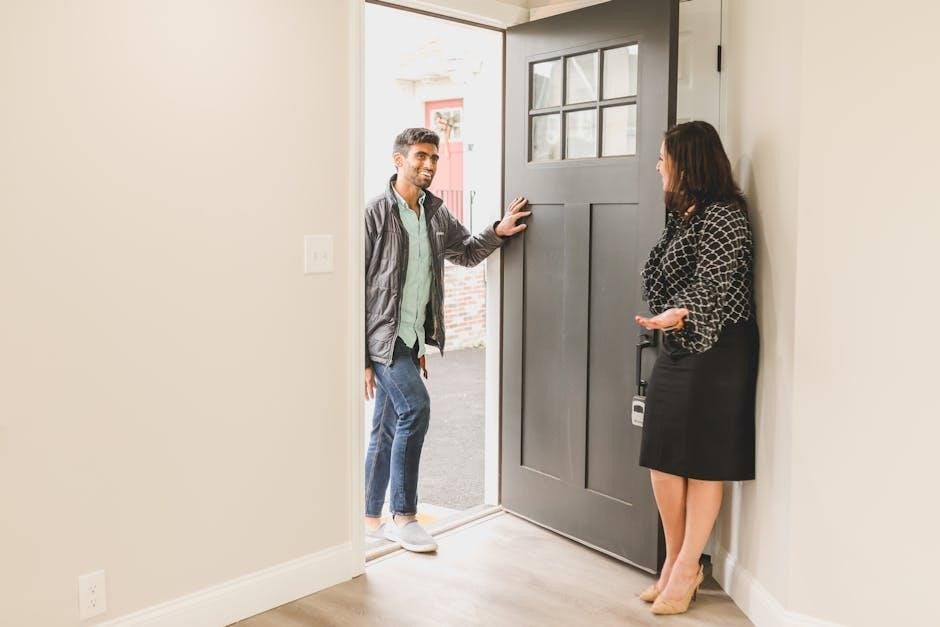
Interview several agents before making a decision. Ask about their experience, commission structure, and marketing strategies. Check online reviews and seek recommendations from friends and family. A buyer’s agent represents your interests, not the seller’s.
Ensure the agent understands your priorities – desired location, property type, and budget. They’ll help you navigate the complexities of the market, schedule viewings, and prepare competitive offers.
A good agent will provide insights into neighborhoods, school districts, and local amenities, helping you make an informed decision. They’ll also guide you through the legal and financial aspects of the transaction.
Defining Your Home Needs and Wants
Before diving into the home search, clearly define your needs versus wants. Needs are essential – number of bedrooms, bathrooms, location for work/school, and minimum square footage. Wants are desirable but not deal-breakers – a gourmet kitchen, a large backyard, or a specific architectural style.

Create a detailed list, prioritizing items. Consider your current lifestyle and future plans. Will your family grow? Do you work from home? Do you entertain frequently? These factors influence your requirements.
Think about neighborhood preferences. Do you prefer a quiet suburban setting or a vibrant urban environment? Consider proximity to amenities like parks, shopping, and transportation.
Be realistic about your budget. Prioritize needs over wants to stay within financial constraints. A well-defined list streamlines the search, saving time and preventing disappointment. Knowing your priorities empowers informed decisions.
The Home Search Process
Effectively searching requires strategic online exploration, diligent open house attendance, and thorough neighborhood evaluations, ensuring you find a property aligning with your defined criteria.
Online Home Search Strategies
Leveraging online platforms is crucial in today’s market. Begin by utilizing major real estate portals, filtering searches based on your defined needs and wants – location, price range, size, and desired amenities. Explore multiple websites to gain a comprehensive view of available properties, as listings can vary between platforms.
Set up customized email alerts to be immediately notified when new listings matching your criteria appear. Utilize map-based searches to explore specific neighborhoods and assess proximity to schools, work, and local amenities. Don’t overlook the potential of real estate agent websites, often featuring exclusive listings not found elsewhere.
Virtual tours are invaluable for initial screenings, allowing you to virtually walk through properties remotely. Pay attention to high-quality photos and detailed property descriptions. Remember to verify information with your agent before scheduling in-person viewings. Refine your search parameters regularly based on your findings and evolving preferences.
Attending Open Houses and Property Viewings

Open houses and scheduled viewings are vital for assessing a property’s true condition and feel. Prepare a checklist to evaluate key features – structural integrity, plumbing, electrical systems, and potential maintenance needs. Bring a notepad and camera to document observations and capture details for later review.
Don’t hesitate to ask questions of the listing agent regarding the property’s history, recent renovations, and any known issues. Pay attention to the neighborhood’s atmosphere, noise levels, and overall curb appeal. Visualize yourself living in the space, considering how it aligns with your lifestyle.
Take your time during viewings; don’t feel rushed. Inspect closets, cabinets, and storage areas. Check for signs of water damage or pest infestations. Consider attending multiple open houses to compare properties and refine your preferences. Remember first impressions are important, but a thorough evaluation is crucial.
Evaluating Neighborhoods and Local Amenities
Beyond the property itself, a neighborhood’s character significantly impacts your quality of life. Research local schools, crime rates, and property tax rates to ensure they align with your needs and budget. Consider proximity to essential amenities like grocery stores, healthcare facilities, and transportation hubs.
Explore the area at different times of day to assess traffic patterns and noise levels. Walk or drive around to get a feel for the community’s vibe and observe the condition of neighboring homes. Check for future development plans that could impact property values or the neighborhood’s character.
Utilize online resources and local community groups to gather insights from current residents. Assess the availability of parks, recreational facilities, and cultural attractions. Think about your lifestyle and prioritize neighborhoods that offer the amenities you value most. A well-chosen neighborhood enhances your investment and overall satisfaction.

Making an Offer and Negotiation
Successfully securing your dream home involves crafting a competitive offer, understanding contingencies, and skillfully negotiating the purchase agreement for favorable terms.
Crafting a Competitive Offer
Presenting a compelling offer is crucial in a competitive market. Begin by researching comparable sales in the area to determine a fair market value. Consider factors beyond price, such as the earnest money deposit – a larger deposit can signal seriousness.
Clearly define all terms, including the closing date, and any requested repairs or inclusions. A pre-approval letter from a lender demonstrates financial strength and speeds up the process.
Work closely with your real estate agent to understand the seller’s motivations and tailor your offer accordingly.
Sometimes, a personal letter to the seller can create an emotional connection, especially in situations where multiple offers exist. Be mindful of fair housing laws and avoid including personal information that could lead to discrimination.
Remember, a well-crafted offer balances your needs with market realities, increasing your chances of acceptance.

Understanding Contingencies
Contingencies are clauses within a purchase agreement that allow you to back out of the deal under specific circumstances, protecting your interests. Common contingencies include a home inspection contingency, allowing professional evaluation of the property’s condition.
An appraisal contingency ensures the home’s value aligns with the loan amount; if the appraisal falls short, you can renegotiate or withdraw.

Financing contingencies safeguard you if you cannot secure a mortgage. Sale of existing home contingencies allow you to purchase contingent on selling your current property.
Carefully review each contingency with your agent, understanding deadlines and potential ramifications.
Waiving contingencies can strengthen your offer but increases your risk. A thorough understanding of these clauses is vital for a secure home-buying experience, as outlined in comprehensive buyer guides.
Negotiating the Purchase Agreement
Negotiating the purchase agreement is a crucial step, often involving back-and-forth communication between buyer and seller. Your real estate agent will guide you through this process, advocating for your best interests.
Initial offers are rarely accepted immediately; expect counteroffers addressing price, closing date, or contingencies. Strategic negotiation considers market conditions, property condition, and your financial position.
Be prepared to compromise, but also know your walk-away point. A comprehensive buyer’s guide emphasizes the importance of remaining calm and objective throughout negotiations.
Focus on key terms, such as repairs requested after the home inspection, or adjustments to the closing costs.
Once an agreement is reached, it becomes a legally binding contract, so review it carefully with your agent and legal counsel before signing, ensuring all terms are clearly understood and favorable.

Closing the Deal
Finalizing your home purchase involves a meticulous process, including inspections, appraisals, and document signing. A detailed guide ensures a seamless transition to ownership!
Home Inspection Checklist
A thorough home inspection is paramount before finalizing any real estate transaction. This checklist, often included in a comprehensive home buyer’s guide PDF, ensures no critical issues are overlooked. Begin with the exterior, examining the foundation for cracks, assessing the roof’s condition (shingles, flashing), and checking siding for damage.
Internally, scrutinize the plumbing system for leaks and proper drainage, evaluate the electrical panel for safety and capacity, and inspect the HVAC system for efficient operation. Don’t forget to test all windows and doors, check for signs of water damage (stains, mold), and assess the attic for insulation and ventilation.
Furthermore, examine the basement for structural issues and moisture, and verify the functionality of all appliances included in the sale. A detailed report from a qualified inspector is invaluable, providing a clear understanding of the property’s condition and potential repair costs, empowering informed decision-making.
Appraisal Process and Review
The appraisal process, detailed within a home buyer’s guide PDF, determines a property’s fair market value, crucial for securing mortgage financing. An appraiser, licensed and independent, assesses the home based on comparable sales in the area, its condition, and features. This involves a thorough inspection, noting any renovations or deficiencies.
Following the inspection, the appraiser prepares a detailed report outlining their findings and the estimated value. Review this report carefully, comparing the appraised value to the purchase price; discrepancies may necessitate renegotiation. Understand that the lender relies heavily on the appraisal to mitigate risk.
If the appraisal comes in lower than the agreed-upon price, you have options: renegotiate with the seller, challenge the appraisal with supporting evidence, or, as a last resort, walk away from the deal. A clear understanding of the appraisal process is vital for a successful home purchase.

Final Walk-Through and Closing Documents
A final walk-through, as outlined in your home buyer’s guide PDF, is a critical step before closing. This inspection confirms the property’s condition matches the purchase agreement, ensuring any agreed-upon repairs are completed. Check for functionality of appliances, plumbing, electrical systems, and overall cleanliness.
Simultaneously, meticulously review the closing documents – the loan estimate, promissory note, deed of trust, and title insurance policy. Understand each document’s implications before signing. Seek clarification from your real estate agent or attorney on any unclear terms. Ensure all figures align with the agreed-upon terms.
At closing, you’ll sign the documents, pay closing costs, and receive the keys to your new home! A well-prepared buyer, guided by a comprehensive PDF, navigates this final stage with confidence, securing their investment and realizing their homeownership dream.