Cross Country Ski Size Guide ⸺ Comprehensive Plan (02/07/2026 11:56:30)
Navigating cross country ski sizing requires understanding body metrics, skill level, and ski discipline—classic, skate, or backcountry—for optimal performance and enjoyment.
Selecting the correct cross country ski size is paramount for a fulfilling experience on the snow. Unlike alpine skis, cross country ski sizing isn’t solely about height; it’s a nuanced process considering weight, skill level, and the intended skiing style – classic, skate, or backcountry. Beginners often benefit from slightly shorter skis for maneuverability, while advanced skiers may prefer longer lengths for stability and glide.
Proper sizing enhances control, efficiency, and overall enjoyment. Ignoring these factors can lead to frustration and hinder progress. This guide will demystify the process, providing clear guidelines to help you find the perfect fit, ensuring you’re prepared to glide across the winter landscape with confidence.
Understanding Ski Types & Sizing Differences
Cross country skis aren’t one-size-fits-all; distinct types necessitate different sizing approaches. Classic skis, used for traditional striding, generally range from chin to head height, approximately height (in inches) x 2.6 + 15cm. Skate skis, designed for a V-shaped stride, are typically shorter, around height x 2.6 ― 5cm.
Backcountry skis, built for off-trail exploration, often fall between the two, prioritizing versatility. Understanding these differences is crucial; a skate ski sized for classic will perform poorly, and vice versa. Choosing the right type and size maximizes efficiency and enjoyment on varied terrain.
2.1 Classic Cross Country Skis
Classic skis are designed for the traditional diagonal stride, focusing on grip and glide. Sizing typically aligns with a skier’s height, with beginners adding 10cm to their body size. More advanced skiers may add 10-20cm for increased stability and glide.
Generally, classic skis measure from chin to head height, roughly height (in inches) x 2.6 + 15cm. Shorter skis offer greater maneuverability, while longer skis provide better glide. Prioritizing a comfortable length ensures efficient kick and glide, enhancing the classic skiing experience.
2.2 Skate Cross Country Skis
Skate skis facilitate a V-shaped stride, demanding different sizing considerations than classic skis. Beginners should generally select a ski length 5 to 10cm shorter than their height, promoting control and ease of turning. Advanced skaters often opt for skis 5 to 10cm longer than their height, maximizing glide and speed.
Skate skis typically run shorter than classic skis, using a formula of height x 2.6 ⸺ 5cm. Selecting the correct length is crucial for efficient skating technique and optimal performance on groomed trails.
2;3 Backcountry Cross Country Skis
Backcountry skis, designed for off-trail exploration, require a nuanced sizing approach. Unlike groomed trail skis, backcountry sizing prioritizes flotation and maneuverability in varied snow conditions. While specific recommendations vary, a general guideline suggests sizing up—potentially adding 5-15cm to your height—depending on your weight and typical terrain.
Heavier skiers or those frequently encountering deep powder will benefit from longer skis for increased buoyancy. Consider the width of the ski as well; wider skis offer greater flotation.
Key Factors Influencing Ski Size
Determining the correct cross country ski size isn’t a one-size-fits-all equation; several crucial factors demand consideration. Skier weight is paramount, as it directly impacts how much the ski will compress and provide adequate support. Height serves as a foundational starting point, but must be adjusted based on weight and skill.
Skill level—beginner, intermediate, or advanced—influences the desired ski length; beginners often benefit from shorter skis for easier control, while experienced skiers may prefer longer lengths for speed and stability.
3.1 Skier Weight
Skier weight is a critical determinant in cross country ski sizing, directly influencing ski performance and control. Heavier skiers require longer, stiffer skis to provide sufficient support and prevent excessive sinking in softer snow. Conversely, lighter skiers benefit from shorter, more flexible skis for easier maneuverability.
Weight considerations often necessitate adjustments to the standard height-based sizing recommendations. Manufacturers frequently provide weight-based charts as supplementary guidance, acknowledging that weight distribution significantly impacts optimal ski length selection.
3.2 Skier Height
Skier height serves as the foundational element in determining appropriate cross country ski length, providing a baseline for initial sizing calculations. Generally, classic skis are sized to fall within a range of chin to head height, roughly equating to height in inches multiplied by 2.6 and subtracting 15 centimeters.
Skate skis, demanding greater edge control, are typically sized slightly shorter. However, height alone isn’t definitive; it must be considered alongside weight and skill level for a truly personalized fit, ensuring optimal glide and maneuverability.
3.3 Skill Level (Beginner, Intermediate, Advanced)
A skier’s proficiency significantly influences optimal ski sizing, impacting control and technique. Beginners, prioritizing stability, often benefit from slightly shorter skis, enhancing maneuverability and reducing overwhelm. For classic skiing, adding 10cm to body size is a common starting point.
Intermediate and advanced skiers, possessing greater technique, can utilize longer skis for improved glide and speed. Skate skiers see adjustments too – beginners subtract 5-10cm, while advanced skiers add 5-10cm to their height.
Classic Ski Sizing for Beginners
For those new to classic cross country skiing, selecting the correct length is crucial for a positive experience. A general guideline suggests choosing skis that are approximately your body height plus 10 centimeters. This provides a balance between control and glide, aiding in learning fundamental techniques.
Shorter skis are more manageable, reducing frustration, while the added length offers enough surface area for efficient kick and glide. Remember, prioritizing ease of use is key when starting out!
4.1 Beginner Classic Ski Length: Body Size + 10cm
The “Body Size + 10cm” rule is a foundational principle for beginner classic ski sizing, ensuring a manageable and effective starting point. Measure your height in centimeters, then add 10cm to that measurement; this sum represents your ideal ski length.
This formula prioritizes control and ease of turning, vital for developing confidence. It’s a conservative approach, favoring skis slightly shorter than potentially optimal, but perfect for building technique. Remember to consider this a starting point, adjusting if needed.
Classic Ski Sizing for Intermediate/Advanced Skiers
Intermediate and advanced classic skiers benefit from longer skis, enhancing glide and efficiency on varied terrain. A common guideline suggests adding 10 to 20 centimeters to your body height in centimeters. This extended length provides greater stability at higher speeds and improved kick wax contact.
Experienced skiers can experiment within this range, considering their weight and preferred skiing style. Heavier skiers or those prioritizing long-distance touring may opt for the longer end of the spectrum.
5.1 Intermediate/Advanced Classic Ski Length: Body Size + 10-20cm
For intermediate to advanced classic cross-country skiers, determining the ideal ski length involves adding 10 to 20 centimeters to your height. This formula provides a balance between glide, control, and efficient kick action. Consider your weight; heavier skiers generally benefit from the longer end of the range.
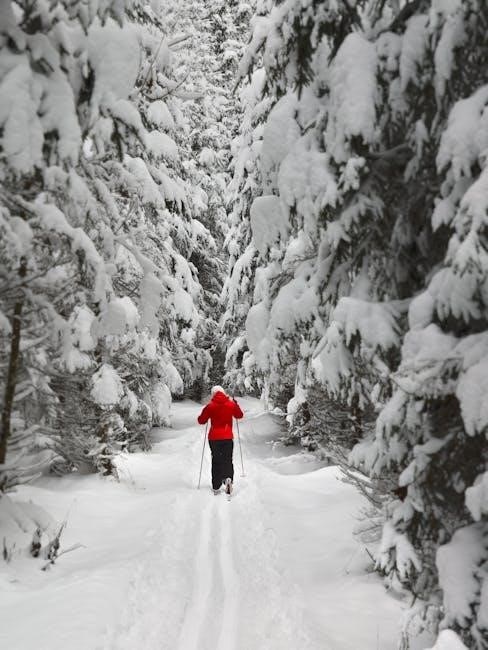
This length allows for better stability during faster descents and more effective wax engagement for powerful strides. Fine-tuning within this range depends on personal preference and terrain characteristics.
Skate Ski Sizing for Beginners
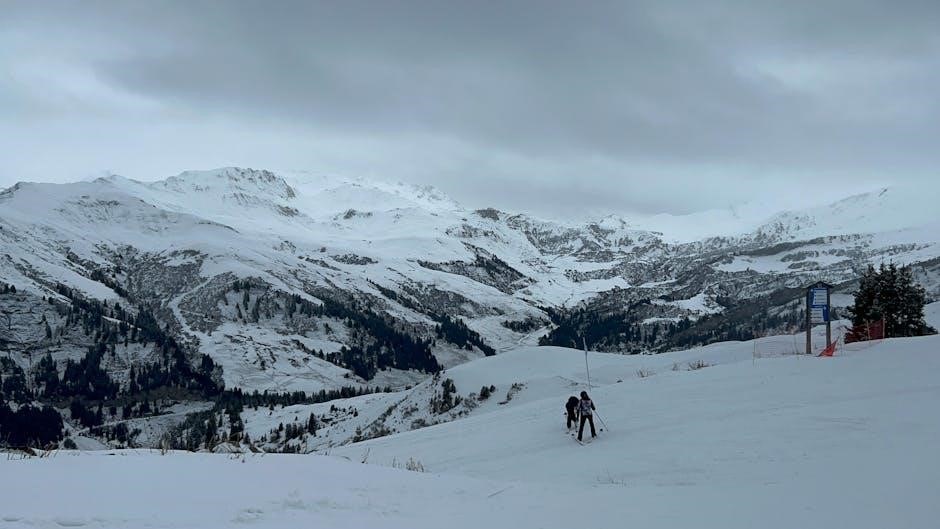
Beginner skate skiers should prioritize maneuverability and control, opting for skis slightly shorter than their height. A common guideline is to subtract 5 to 10 centimeters from your overall height to determine the appropriate ski length. This shorter length makes it easier to initiate turns and maintain balance while learning the skating technique.
Remember, skate skiing demands more precise technique, and shorter skis offer greater responsiveness. As skill progresses, length adjustments can be considered for increased glide and speed.
6.1 Beginner Skate Ski Length: Body Size ⸺ 5 to 10cm
For novice skate skiers, a ski length calculated by subtracting 5 to 10 centimeters from your height is a solid starting point. This reduction in length enhances control and makes learning the skating stride significantly easier. It allows for quicker turning and a more forgiving feel, crucial when developing technique.
Consider starting with the larger deduction (10cm) if you are shorter or have less athletic experience. As confidence and skill grow, you can experiment with slightly longer skis for improved glide.
Skate Ski Sizing for Advanced Skiers
Experienced skate skiers benefit from longer skis, maximizing glide and stability at higher speeds. A recommended length is typically your body height plus 5 to 10 centimeters. This provides the surface area needed for efficient kick and powerful double poling.
Advanced skiers often prioritize speed and distance, and longer skis contribute to both. However, individual preferences and terrain play a role; adjust within the range based on your specific skating style and typical course conditions.
7.1 Advanced Skate Ski Length: Body Size + 5 to 10cm

For advanced skate skiers, determining the ideal ski length centers around adding 5 to 10 centimeters to your height. This formula balances glide, control, and efficient power transfer during the skating motion.
Consider your skating technique; a more aggressive, powerful skater might lean towards the +10cm end, while a technically focused skier could opt for +5cm. Terrain also matters – flatter courses favor longer skis, while hilly terrain might benefit from slightly shorter lengths for maneuverability.
Children’s Cross Country Ski Sizing
Sizing cross country skis for children demands a slightly different approach than adult sizing, prioritizing ease of control and fostering a positive experience. Kids quickly become discouraged by skis that are too long or difficult to manage.
Generally, erring on the shorter side is recommended. For beginners, consider skis that reach approximately chin height. As children progress, adjustments can be made, but initial success is key. Specific guidelines vary between classic and skate disciplines, requiring tailored length considerations for each style.
8.1 General Rule for Kids: Prioritize Shorter Lengths
When selecting cross country skis for children, a fundamental principle is to prioritize shorter lengths over precise calculations. Overly long skis can hinder a child’s ability to learn and enjoy the sport, leading to frustration and decreased confidence.
Shorter skis are easier to control, turn, and maneuver, allowing young skiers to develop fundamental techniques without feeling overwhelmed. This approach encourages a positive first experience and builds a solid foundation for future progression. Remember, fun and success are paramount at this stage!
8.2 Kids’ Classic Ski Sizing
For classic cross country ski sizing in children, a straightforward guideline is to add 10 centimeters to their body height, regardless of skill level. This provides a manageable length for initial learning and development of classic technique.
However, consider the child’s build; lighter children might benefit from staying closer to their height, while stronger children could lean towards the +10cm recommendation. Available ski lengths for kids typically range from 110 to 170 centimeters, offering options for various ages and sizes.
8.3 Kids’ Skate Ski Sizing
When sizing skate skis for children, prioritizing slightly shorter lengths is crucial for maneuverability and confidence, especially for beginners. A common recommendation is to subtract 5 to 10 centimeters from the child’s height to determine the appropriate ski length.
This shorter length makes it easier to control the skis and develop the necessary skating technique. Remember that children quickly become overwhelmed by skis that are too long, hindering their progress and enjoyment on the snow.
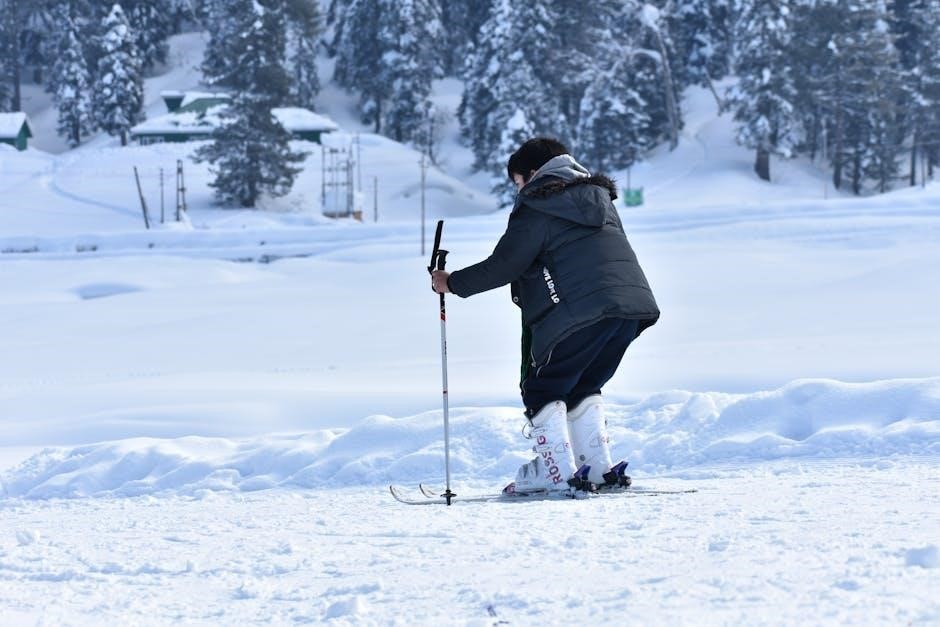
Cross Country Ski Size Charts (General Guidelines)
Utilizing ski size charts provides a helpful starting point, but remember these are general guidelines and individual factors matter. Height-based charts often suggest classic skis should be around your height in inches multiplied by 2.6, minus 15 centimeters.
Skate skis typically run shorter, using a formula of height multiplied by 2.6, minus 5 centimeters. Weight-based charts are less common but can refine sizing, considering body mass alongside height and skill level for a more personalized fit.
9;1 Height-Based Ski Length Chart
This chart offers a foundational approach to ski sizing, correlating skier height with recommended ski length. For classic skis, a common guideline suggests multiplying your height in inches by 2.6. Then, subtract approximately 15 centimeters to arrive at a suitable ski length.
Skate skis generally require a shorter length; use the same multiplication factor (2.6) but subtract 5 centimeters. Remember, these are starting points; adjustments are needed based on weight, skill, and preferred skiing style for optimal performance.
9.2 Weight-Based Ski Length Chart (Considerations)
While height is a primary factor, skier weight significantly influences ski flex and performance. Heavier skiers require stiffer skis to prevent excessive sinking and maintain control, often necessitating a longer length within their height range. Conversely, lighter skiers benefit from more flexible skis, potentially opting for a shorter length.
Weight-based charts are less definitive than height charts, serving as a refinement tool. Consider your skiing style; aggressive skiers need stiffer skis, regardless of weight. Always prioritize a balance between height and weight recommendations.
Converting Between Metric and Imperial Units
Accurate ski sizing often requires converting between centimeters (metric) and inches (imperial). A fundamental conversion is 1 inch equaling 2.54 centimeters. To convert centimeters to inches, divide the centimeter measurement by 2.54. Conversely, multiply inches by 2.54 to obtain centimeters.
Many ski sizing guides utilize both systems; understanding this conversion is crucial for accurate interpretation. Online converters are readily available for quick calculations, ensuring you select the correct ski length regardless of the unit presented.
10.1 Centimeters to Inches Conversion
Converting from centimeters to inches is essential when referencing ski sizing charts that utilize different units of measurement. The standard conversion factor is 1 inch equals precisely 2.54 centimeters. To transform a ski length from centimeters to inches, simply divide the measurement in centimeters by 2.54.
For example, a 160cm ski would be 160 / 2.54 = 62.99 inches. This calculation ensures accurate comparison across various sizing recommendations and facilitates informed purchasing decisions, especially when dealing with international brands.
The Importance of Flex in Ski Selection
Ski flex, often overlooked, significantly impacts performance and control. It refers to the ski’s stiffness, influencing how it bends under pressure. Softer flex skis are more forgiving, ideal for beginners or lighter skiers, promoting easier turning and stability. Stiffer flex skis offer greater power transfer and edge hold, suiting advanced skiers and heavier individuals.
Matching flex to weight and skill level is crucial; an incorrect flex can hinder technique and enjoyment. Consider your skiing style—aggressive or relaxed—when selecting the appropriate flex.
Boot Sole Length and its Impact on Ski Size
Boot sole length (BSL) is a critical, often underestimated, factor in cross country ski sizing. Unlike traditional ski length charts based solely on height or weight, BSL provides a more precise measurement for optimal ski selection. It dictates the binding placement, ensuring proper balance and kick zone effectiveness.
Bindings are designed around specific BSL ranges; matching your boot’s BSL to the appropriate ski size guarantees efficient power transfer and control. Always prioritize BSL when possible, especially with skate skis.
Adjusting for Terrain and Snow Conditions
Terrain and snow conditions significantly influence ideal ski size. For hilly or variable terrain, slightly longer skis offer increased stability and control, aiding in navigating descents and challenging snow. Softer, deeper snow demands longer skis to provide greater floatation, preventing sinking and maintaining glide.
Conversely, flatter, groomed trails or firmer snow benefit from shorter skis, enhancing maneuverability and quicker acceleration. Consider these factors in addition to standard sizing guidelines for a truly optimized experience.
What to Do if You’re Between Sizes
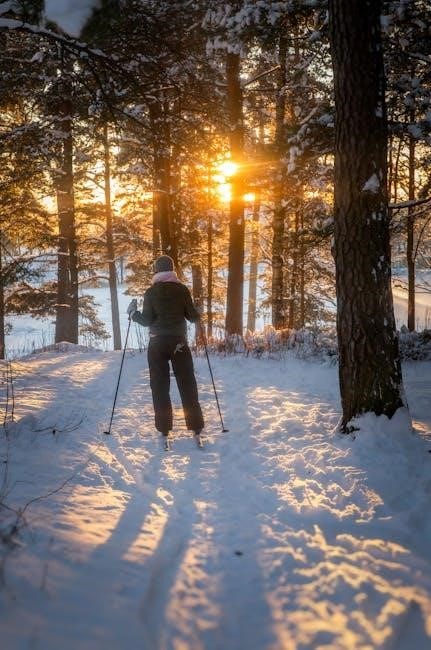
Finding yourself between ski sizes is common! Generally, erring on the shorter side is preferable, especially for beginners or those prioritizing maneuverability. Shorter skis are easier to control and turn. However, if you’re a heavier skier or frequently encounter softer snow, opting for the longer size provides better floatation and stability.
Consider your primary skiing style and terrain. If unsure, consult with a knowledgeable ski shop professional for personalized advice tailored to your specific needs and preferences.
Sizing Considerations for Backcountry Skis
Backcountry cross country skis demand unique sizing considerations. Unlike groomed trails, backcountry terrain varies greatly, requiring skis capable of handling diverse snow conditions and ascents. Generally, backcountry skis are sized longer than classic or skate skis to enhance floatation in powder and stability during descents.
Consider your weight, typical terrain, and touring style. Heavier skiers and those tackling steep, ungroomed slopes benefit from longer lengths. Prioritize stability and control when venturing off-trail.
Where to Purchase Cross Country Skis and Get Fitted
Finding the right retailer is crucial for a proper fit. Specialty ski shops offer expert advice and boot fitting services, ensuring optimal performance and comfort. Online retailers provide convenience and wider selection, but lack personalized fitting.
Local ski shops often host demo days, allowing you to test different ski models. Professional boot fitters can assess your foot shape and recommend appropriate boots and bindings. Prioritize shops with knowledgeable staff who understand cross country ski sizing nuances.
Common Mistakes to Avoid When Sizing Skis
Ignoring skill level is a frequent error; beginners need different lengths than advanced skiers. Overestimating size based on height alone can hinder control, especially for skate skiing. Neglecting boot sole length impacts optimal ski selection.
Failing to consider terrain—flat versus hilly—affects appropriate length; Assuming last year’s skis still fit is risky, as foot size or technique may have changed. Don’t solely rely on charts; professional fitting is invaluable. Prioritize comfort and maneuverability over perceived length advantages.
Maintaining Your Skis for Optimal Performance
Regular waxing is crucial; it impacts glide and prevents snow buildup. Clean the ski base after each use to remove dirt and debris, preserving glide efficiency. Inspect bindings frequently for proper function and secure attachment. Store skis in a cool, dry place, away from direct sunlight, to prevent base damage.
Sharpen edges periodically for enhanced grip on icy conditions. Proper storage prevents warping and extends ski lifespan. Address any base scratches promptly to avoid further deterioration. Consistent maintenance ensures optimal performance and enjoyment on the trails.
Resources for Further Information
For detailed sizing guides and equipment reviews, explore GeerGarage (geergarge.com) and Peter Glenn Ski & Sports (peterglenn.com). Fischer Sports (fischer-sports.com) offers specific advice on children’s ski sizing, emphasizing shorter lengths for beginners. Ebs Adventure (ebsadventure.com) provides insights into fitting kids’ skis, particularly when considering used equipment.
Consult local ski shops for professional boot fitting and personalized ski recommendations. Online forums and cross-country ski clubs can offer valuable peer-to-peer advice. Remember to cross-reference information from multiple sources for a well-rounded understanding.
Finding the Perfect Fit
Achieving the ideal cross country ski fit is a blend of science and personal feel. Utilize the guidelines based on height, weight, and skill level as a starting point, but prioritize comfort and maneuverability. Don’t hesitate to experiment within recommended ranges, especially considering terrain and snow conditions.
Professional fitting is invaluable, ensuring proper boot-ski compatibility. Remember, a slightly shorter ski is often preferable for beginners, while advanced skiers may benefit from increased length. Ultimately, the perfect fit enhances enjoyment and performance on the trails.