How to Become a Mountain Guide: A Comprehensive Plan
Becoming a mountain guide demands rigorous training encompassing technical climbing, guiding skills, and safety protocols, aligning with IFMGA standards.
Certification involves extensive courses, tests, and continuous professional development, ensuring expertise in diverse mountain environments.
Understanding the Role of a Mountain Guide
Mountain guides are far more than just skilled climbers; they are professional educators, risk managers, and vital components of a safe and enriching mountain experience. Their responsibilities extend beyond technical expertise, encompassing comprehensive knowledge of the alpine environment and a dedication to client well-being.
A guide’s role involves meticulous planning, including route selection based on weather forecasts and group abilities. They expertly navigate challenging terrain, employing advanced techniques in rock, ice, and mixed climbing. Crucially, they are adept at assessing and mitigating hazards like avalanches and rockfall, prioritizing safety at every stage.
Furthermore, mountain guides provide instruction in essential mountaineering skills, empowering clients to develop their own capabilities. They offer insightful interpretations of the natural world, enhancing the overall experience. The IFMGA emphasizes guiding groups while hiking and classic mountaineering, demonstrating the breadth of skills required. Ultimately, a mountain guide’s success is measured by the safety, enjoyment, and educational value they deliver to those entrusted to their care.
Defining a Mountain: Height and Formation
Defining a mountain isn’t simply about altitude; it’s a complex interplay of geological forces and topographical prominence. While a general consensus exists, the distinction between a hill and a mountain remains somewhat subjective. Most geologists classify a landform as a mountain if it rises at least 1,000 feet (300 meters) above its surrounding terrain, though the Oxford English Dictionary suggests exceeding 2,000 feet (610 meters).
Mountains are formed through various geological processes. Fold mountains arise from colliding tectonic plates, crumpling the Earth’s crust. Block mountains result from faulting, where sections of the crust are uplifted. Volcanic mountains are created by the accumulation of lava and ash from volcanic eruptions.
Understanding these formations is crucial for aspiring guides. Knowledge of rock types, geological stability, and potential hazards associated with each formation directly impacts route selection and safety assessments. A mountain’s prominence – how much it stands out from its surroundings – also influences its climate and the challenges it presents to climbers.
Types of Mountains: Fold, Block, and Volcanic
Aspiring mountain guides must possess a comprehensive understanding of the three primary mountain types: fold, block, and volcanic. Each presents unique challenges and demands specific skillsets. Fold mountains, like the Himalayas, are formed by immense pressure, resulting in layered rock structures prone to landslides and complex weather patterns. Guiding on these requires expertise in navigating steep, unstable terrain.
Block mountains, created by faulting, often feature sheer cliffs and fractured rock. Guides need advanced rock climbing and rescue skills to manage the inherent risks. Volcanic mountains, such as Kilimanjaro, present hazards like volcanic gases, loose scree, and potential eruptions. Understanding volcanic activity and evacuation procedures is paramount.
Recognizing the geological characteristics of each type informs route planning, hazard assessment, and emergency response. A guide’s ability to interpret the landscape and anticipate potential dangers is directly linked to their knowledge of mountain formation processes, ensuring client safety and a successful expedition.
The IFMGA: International Federation of Mountain Guides Associations
The IFMGA stands as the pinnacle of professional recognition for mountain guides globally. Achieving IFMGA certification isn’t merely a qualification; it’s a testament to an exceptionally high standard of competence in all facets of mountain guiding. The IFMGA establishes and maintains the internationally recognized standard for training, ensuring guides possess consistent skills across diverse alpine environments.
IFMGA membership signifies a guide’s proficiency in rock climbing, ice climbing, alpinism, and crucial safety protocols. The federation’s platform dictates the curriculum for training programs worldwide, emphasizing rigorous testing and continuous professional development. Guides aspiring to IFMGA status must demonstrate mastery of technical skills, group management, and emergency response.
Ultimately, IFMGA certification provides clients with assurance – a guarantee that their guide has undergone the most demanding and comprehensive training available, prioritizing safety and delivering an unparalleled mountain experience. It’s the gold standard in the profession.
Initial Fitness and Skill Assessment
Aspiring mountain guides must undergo a comprehensive initial assessment, evaluating both physical fitness and foundational mountaineering skills. This crucial first step determines readiness for the demanding training ahead. A high level of aerobic endurance is paramount, alongside significant strength and stamina for prolonged exertion at altitude.
Skill assessment typically includes proficiency in basic rock climbing techniques, efficient hiking with a heavy pack, and fundamental navigation using map and compass. Candidates are evaluated on their ability to self-rescue and assist others in challenging terrain. Prior experience in alpine environments is highly advantageous, demonstrating adaptability and sound judgment.
This initial evaluation isn’t solely about existing skill level; it’s about identifying areas for improvement and establishing a baseline for progressive training. A realistic self-assessment is vital, acknowledging limitations and committing to dedicated physical conditioning and skill refinement.
Essential Climbing Skills for Aspiring Guides
Mastering climbing skills forms the bedrock of a mountain guide’s expertise. This extends far beyond personal climbing ability, demanding proficiency in teaching and ensuring the safety of clients. Rock climbing fundamentals are paramount, encompassing efficient movement, belaying techniques, and anchor construction – skills honed through dedicated training and certification.
Beyond rock, aspiring guides must develop robust skills in rope work, including various knots, hitches, and rigging systems. Understanding mechanical advantage and force analysis is crucial for safe and efficient rope management. Proficiency in crevasse rescue techniques is non-negotiable, preparing guides to respond effectively to emergencies in glacial environments.
These skills aren’t isolated; they’re integrated into a holistic understanding of mountain dynamics. Guides must assess terrain, anticipate hazards, and adapt techniques to changing conditions, always prioritizing safety and client experience.
Rock Climbing Training and Certification
Formal rock climbing training is a cornerstone of the mountain guide pathway. Aspiring guides undergo intensive programs focusing on advanced techniques, including multi-pitch climbing, lead climbing, and crack climbing. These courses emphasize not just how to climb, but how to teach climbing safely and effectively.
Certification bodies, often aligned with the IFMGA standards, administer rigorous assessments. These typically involve practical climbing exams, theoretical knowledge tests, and demonstrations of rescue proficiency. Candidates must demonstrate mastery of anchor building, rope management, and client-focused instruction.
Successful completion earns recognized certifications, validating the guide’s competence. However, certification isn’t a final destination; continuous practice and refinement are essential. Guides regularly participate in workshops and mentorship programs to maintain and enhance their rock climbing skills, ensuring they remain at the forefront of best practices.
Winter Climbing and Ice Climbing Proficiency
Winter and ice climbing skills are paramount for a comprehensive mountain guide skillset. Training encompasses ice axe techniques, crampon usage on varied ice formations, and the ability to assess and mitigate hazards specific to frozen environments. Mastering these skills isn’t merely about personal ascent; it’s about ensuring client safety in challenging conditions.
Proficiency demands a deep understanding of ice screw placement, building secure anchors in snow and ice, and employing advanced rope techniques for glacier travel and crevasse rescue. Aspiring guides participate in dedicated courses, often involving ascents of challenging ice lines under the supervision of experienced instructors.
Certification requires demonstrating competence in self-arrest, ice climbing leadership, and the ability to construct robust belay systems. Continuous practice and staying current with evolving techniques are vital, as winter mountain conditions are dynamic and unforgiving. This expertise is fundamental for guiding safely in alpine environments.
Alpinism Training: The Core of Mountain Guiding
Alpinism training forms the very heart of becoming a qualified mountain guide. It transcends mere climbing skill, encompassing a holistic understanding of mountain environments and the ability to make sound judgments in complex situations. This training focuses on classic mountaineering techniques, including mixed climbing – a blend of rock, snow, and ice – and navigating challenging alpine terrain.
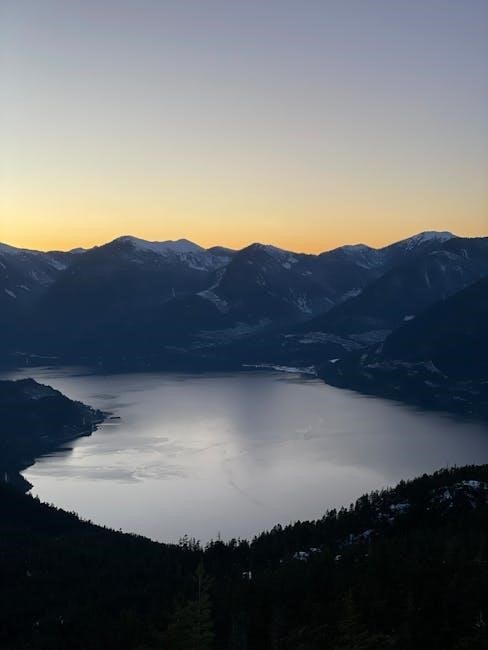
Aspiring guides undergo rigorous instruction in route selection, glacier travel, and crevasse rescue, learning to assess avalanche risks and implement appropriate safety measures. They must demonstrate proficiency in self-sufficiency, capable of operating independently in remote and demanding conditions. This includes efficient camp setup, nutrition, and managing physical and mental fatigue.
The IFMGA emphasizes a holistic approach, ensuring guides possess not only technical expertise but also the leadership qualities necessary to manage groups effectively and make critical decisions under pressure. Alpinism training is the crucible where future guides forge their competence and commitment to safety.
Navigation and Route Finding Expertise
Exceptional navigation skills are paramount for any aspiring mountain guide. This extends far beyond simply reading a map; it requires a deep understanding of terrain, weather patterns, and the ability to interpret subtle clues within the mountain environment. Trainees learn advanced map and compass techniques, alongside proficiency in utilizing GPS devices and altimeters.
Route finding is a critical component, demanding the ability to assess potential hazards, identify the safest and most efficient path, and adapt to changing conditions. Guides must be able to anticipate challenges, such as hidden crevasses or unstable slopes, and proactively mitigate risks. They learn to interpret geological formations and recognize signs of potential dangers.
IFMGA standards necessitate a comprehensive understanding of both traditional and modern navigation methods; Guides must demonstrate the ability to navigate accurately in whiteout conditions and effectively lead groups through complex terrain, ensuring both safety and efficiency on every expedition.
Avalanche Safety and Rescue Training
Avalanche safety is a non-negotiable aspect of mountain guiding training. Aspiring guides undergo intensive instruction in recognizing avalanche terrain, assessing snowpack stability, and understanding the factors that contribute to avalanche formation. This includes detailed study of weather patterns, snow crystal structures, and slope angles.
Rescue techniques are rigorously practiced, encompassing transceiver searches, probing, and shoveling strategies. Trainees learn to efficiently locate and extricate buried victims, often under simulated avalanche conditions. Proficiency in companion rescue is essential, alongside knowledge of advanced techniques for managing larger-scale avalanche incidents.
IFMGA certification demands a thorough grasp of avalanche forecasting and risk management. Guides must be capable of making informed decisions regarding route selection and travel plans, prioritizing the safety of their clients. Continuous education and updates on the latest avalanche safety research are also crucial components of professional development.
Wilderness First Aid and Emergency Response
Wilderness First Aid (WFA) and more advanced certifications, like Wilderness Advanced First Aid (WAFA) or Wilderness EMT (WEMT), are fundamental requirements for mountain guide training. These courses equip guides with the skills to handle medical emergencies in remote environments where immediate evacuation isn’t possible.
Training covers a broad spectrum of medical issues, including trauma management, fracture stabilization, hypothermia and hyperthermia treatment, altitude sickness, and allergic reactions. Guides learn to improvise with limited resources, utilizing available materials for splints, bandages, and shelter construction.
Emergency response protocols are emphasized, including patient assessment, evacuation planning, and communication strategies. Guides must be proficient in creating effective emergency plans and coordinating with rescue services. IFMGA standards necessitate a high level of medical preparedness, ensuring guides can confidently address a wide range of potential incidents while prioritizing client safety.
Guiding Techniques: Group Management and Safety
Effective group management is paramount for mountain guides. Training focuses on assessing client abilities, establishing clear communication protocols, and maintaining a positive group dynamic. Guides learn to adapt their approach based on the group’s experience level and the challenges of the terrain.
Safety protocols are ingrained throughout the training process. This includes hazard identification, risk assessment, and implementing mitigation strategies. Guides are taught to proactively manage potential dangers, such as rockfall, crevasse falls, and weather changes.
IFMGA emphasizes the importance of decision-making under pressure. Guides must be able to quickly evaluate situations, make sound judgments, and prioritize the safety of their clients. Training incorporates scenario-based exercises to simulate real-world guiding challenges, fostering confidence and competence in managing groups safely in complex mountain environments.
Meteorology for Mountain Guides: Weather Prediction
Mountain weather is notoriously unpredictable, demanding specialized knowledge for guides. Training delves into understanding microclimates, orographic lift, and the formation of hazardous conditions like storms and avalanches. Aspiring guides learn to interpret weather maps, analyze atmospheric patterns, and utilize forecasting tools.
Accurate weather prediction is crucial for safe decision-making. Guides are taught to recognize warning signs of deteriorating conditions, such as changing cloud formations, wind shifts, and temperature drops. They must be able to assess the potential impact of weather on planned routes and adjust itineraries accordingly.
IFMGA standards require guides to possess a comprehensive understanding of mountain meteorology. Training emphasizes practical application, including on-mountain observations and the ability to synthesize information from various sources to make informed judgments about weather risks, ensuring client and guide safety.
The BMG Trainee Guide Program
The British Mountain Guides (BMG) program is a highly respected pathway to qualification, offering a structured route for aspiring guides. It’s characterized by a series of rigorous training courses and assessments designed to develop comprehensive skills. Trainees undergo intense scrutiny in disciplines like rock climbing, winter climbing, and alpinism, building a robust foundation.
Progression through the program involves demonstrating proficiency in technical skills, guiding techniques, and safety management. Candidates are evaluated on their ability to lead groups effectively, make sound judgments in challenging environments, and respond appropriately to emergencies. Mentorship from experienced guides is a key component.
The BMG program aligns with the IFMGA platform, the internationally recognized standard for mountain guiding. Successful completion of the BMG program is a significant step towards achieving full IFMGA certification, opening doors to guiding opportunities worldwide, and ensuring a high level of professional competence.
IFMGA Training Platform: International Standards
The International Federation of Mountain Guides Associations (IFMGA) establishes the globally recognized benchmark for mountain guide training and certification. Its platform ensures a consistent level of competence and safety across different nations, fostering trust and professionalism within the guiding community.
IFMGA standards encompass a broad spectrum of skills, including technical climbing, skiing, mountaineering, navigation, meteorology, and wilderness first aid. Training programs adhering to the IFMGA platform emphasize practical experience, risk assessment, and responsible environmental stewardship. Guides are expected to demonstrate mastery in diverse alpine terrains.
National guiding associations, like the BMG, align their training curricula with the IFMGA framework. This harmonization facilitates international recognition and allows certified guides to work seamlessly across borders. The IFMGA continually updates its standards to reflect evolving best practices and address emerging challenges in the mountain environment, guaranteeing a consistently high level of guiding expertise.
Rigorous Training Courses and Tests
Aspiring mountain guides undergo a demanding series of training courses and assessments designed to push their physical and technical limits. These programs, often structured through organizations like the BMG, cover disciplines such as rock climbing, winter climbing, and alpinism, mirroring IFMGA standards.
Rock climbing training focuses on advanced techniques, rope work, and anchor building. Winter climbing modules emphasize ice climbing skills, avalanche safety, and glacier travel. Alpinism training integrates these skills in complex mountain environments, simulating real-world guiding scenarios.
Tests are not merely academic; they involve practical demonstrations of competence in challenging terrain. Candidates must exhibit proficiency in rescue techniques, route finding, and group management under pressure. Successful completion of these courses and tests is a crucial step towards IFMGA certification, validating a guide’s ability to safely and effectively lead clients in the mountains.
Certification Process and Requirements
Achieving full mountain guide certification, particularly through the IFMGA, is a multi-stage process demanding significant commitment and demonstrable expertise. Following successful completion of the rigorous training courses and tests, candidates typically enter a period of supervised guiding experience.
Requirements often include logging a substantial number of guiding days, documenting ascents of challenging routes, and receiving positive evaluations from experienced mentors. The IFMGA platform dictates internationally recognized standards, ensuring consistency and quality across different national associations.
Certification isn’t simply a formality; it’s a validation of a guide’s comprehensive skillset – technical proficiency, risk assessment, group management, and emergency response. The process culminates in a final assessment, often involving a demanding alpine climb, where candidates are evaluated on all aspects of their guiding ability. This ensures only the most qualified individuals earn the prestigious IFMGA pin.
Continuing Professional Development for Mountain Guides
Maintaining mountain guide certification isn’t a static achievement; it necessitates ongoing commitment to Continuing Professional Development (CPD); The mountain environment is dynamic, and best practices evolve, demanding guides remain current with the latest techniques and knowledge.
CPD typically involves regular participation in refresher courses covering areas like avalanche safety, wilderness medicine, and advanced climbing skills. Guides are also expected to stay informed about changes in weather patterns, glacial conditions, and rescue protocols. Many national associations, aligned with the IFMGA, mandate a minimum number of CPD hours annually.
Furthermore, experienced guides often mentor aspiring professionals, sharing their expertise and contributing to the overall quality of the guiding community. This continuous learning cycle ensures mountain guides provide the safest and most informed experiences possible, upholding the high standards of the profession and adapting to the ever-changing mountain landscape.