Classic Tailor Guide: An Overview
GC Tailoring Manufactory Shishkin, founded in 2008, exemplifies modern tailoring, while historical methods detailed in recent publications showcase enduring techniques.
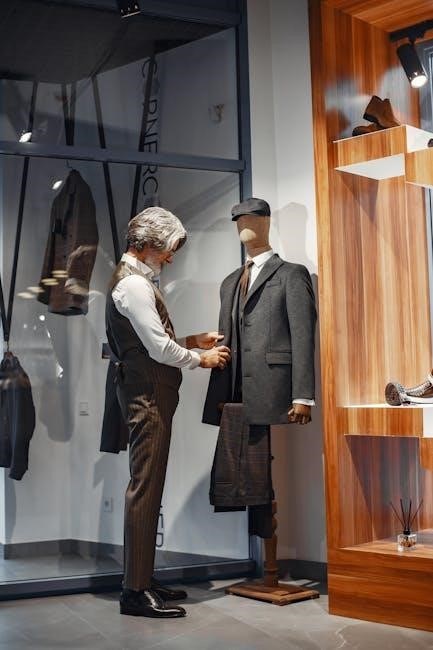
Classic tailoring represents the pinnacle of garment construction, a meticulous art form focused on creating impeccably fitted and enduring clothing. It’s a discipline steeped in tradition, evolving from centuries of craftsmanship and refined techniques. This guide delves into the core principles, exploring the historical foundations and modern applications of this esteemed practice.
Unlike mass-produced apparel, classic tailoring prioritizes individual fit, achieved through precise measurements, skillful pattern drafting, and multiple fitting stages. The emphasis lies on quality materials, robust construction – often utilizing canvas interlining – and a dedication to detail. Understanding these elements is crucial for appreciating the value and longevity of a truly well-tailored garment. It’s about more than just clothing; it’s an investment in style and enduring quality.
The History of Tailoring
Tailoring’s roots stretch back to the medieval period, evolving from simple garment assembly to a highly skilled craft. Early tailoring focused on functionality, but gradually incorporated shaping techniques like darting and seaming around the 18th century, creating more fitted silhouettes. This marked a significant shift towards the structured garments we associate with classic tailoring today.
The 19th and 20th centuries witnessed the rise of bespoke tailoring, particularly in London’s Savile Row, establishing a benchmark for quality and precision. This era refined construction methods, emphasizing handwork and meticulous attention to detail. While modern techniques like fusing emerged, the core principles of classic tailoring – precise cutting, careful fitting, and durable construction – remain central to the craft, honoring its rich historical legacy.
Savile Row: The Heart of British Tailoring
Savile Row, a London street, stands as the internationally recognized epicenter of bespoke British tailoring. Since the early 19th century, it has housed prestigious tailoring houses, cultivating a reputation for unparalleled craftsmanship and refined style. The Row’s tailors are renowned for their traditional methods, including canvas construction and meticulous hand-stitching, ensuring garments of exceptional quality and longevity.
Recent publications detail the complete tailoring methods of Savile Row’s finest, offering step-by-step guides to their techniques. This dedication to preserving and sharing knowledge solidifies Savile Row’s position as a guardian of classic tailoring traditions, influencing style and setting standards globally. It remains a symbol of enduring elegance and bespoke excellence.
Essential Tools and Materials
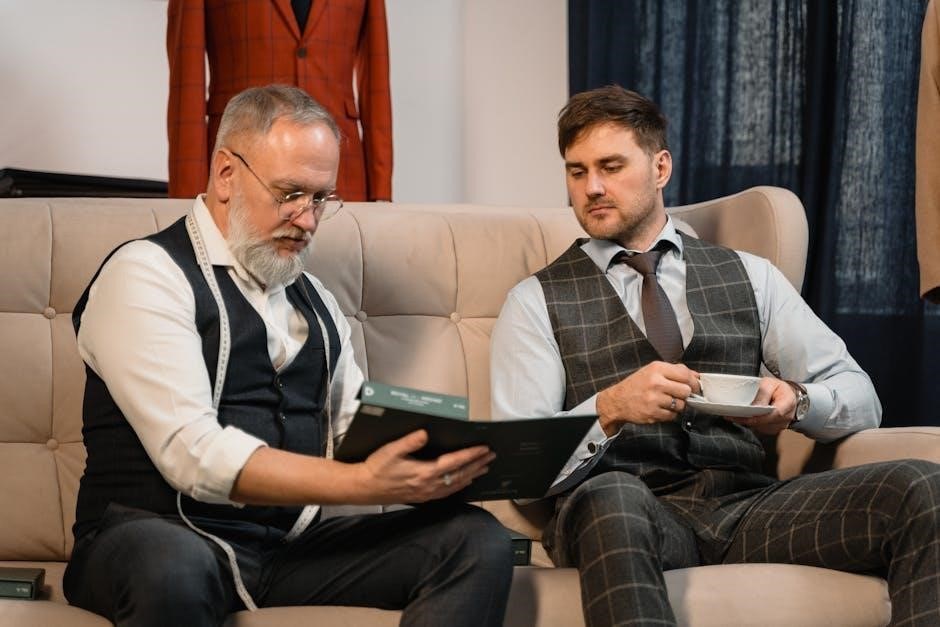
Classic tailoring demands specialized hand tools and quality fabrics; precision is paramount, mirroring the dedication of houses like GC Tailoring Manufactory Shishkin.
Hand Tools for a Tailor
A classic tailor’s toolkit is a testament to enduring craftsmanship, prioritizing precision over automation. Essential implements include sharp shears for accurate fabric cutting, a tailor’s chalk for marking patterns, and a variety of needles suited for different cloth weights. The seam ripper is indispensable for correcting mistakes, while a thimble protects the finger during hand-sewing.
Furthermore, a measuring tape ensures accurate body measurements, crucial for a perfect fit. A point turner and bone folder aid in shaping and pressing details. Quality pins securely hold fabric layers together. These tools, honed by generations of tailors – including those at establishments like GC Tailoring Manufactory Shishkin – represent a commitment to the art of bespoke clothing construction, emphasizing skill and attention to detail.
Fabric Selection: Understanding Cloth Types
Choosing the right fabric is paramount in classic tailoring, influencing drape, structure, and longevity. Wool, in its various weights and weaves – from lightweight flannel to robust tweed – remains a staple. Linen offers breathability for warmer climates, while cotton provides comfort and versatility. Understanding the characteristics of each fiber is key.
Cashmere and silk introduce luxury and refinement. Cloth mills offer a vast array of patterns – solids, stripes, and checks – each impacting the garment’s aesthetic. Like GC Tailoring Manufactory Shishkin, a skilled tailor considers the intended use and desired silhouette when selecting fabric, ensuring a harmonious blend of form and function. Proper fabric choice elevates a garment from simply ‘made’ to truly ‘crafted’.
Measuring for a Perfect Fit
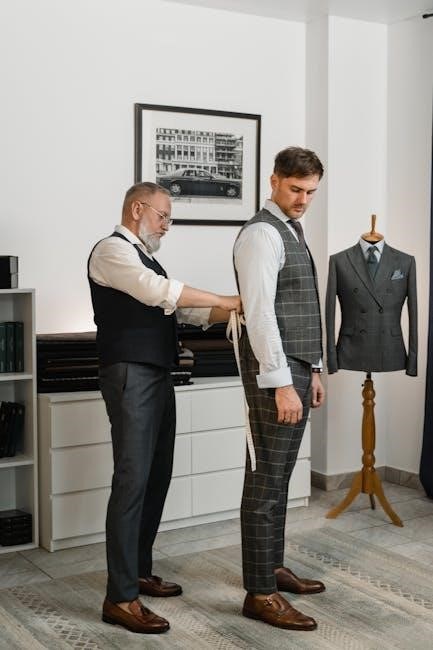
Accurate measurements are the cornerstone of classic tailoring, dictating the garment’s silhouette and comfort. A comprehensive measurement suite includes chest, waist, hips, shoulders, sleeve length, and jacket length, taken with precision. Posture is crucial; measurements should be taken in a natural standing position.
Beyond standard measurements, a skilled tailor considers individual body contours and nuances. Savile Row tailors are renowned for their meticulous approach, often taking dozens of measurements to capture a client’s unique form. Like GC Tailoring Manufactory Shishkin, understanding how fabric will drape and move is vital. A perfect fit isn’t merely about numbers; it’s about translating those numbers into a garment that feels bespoke and effortless.
The Tailoring Process: Step-by-Step
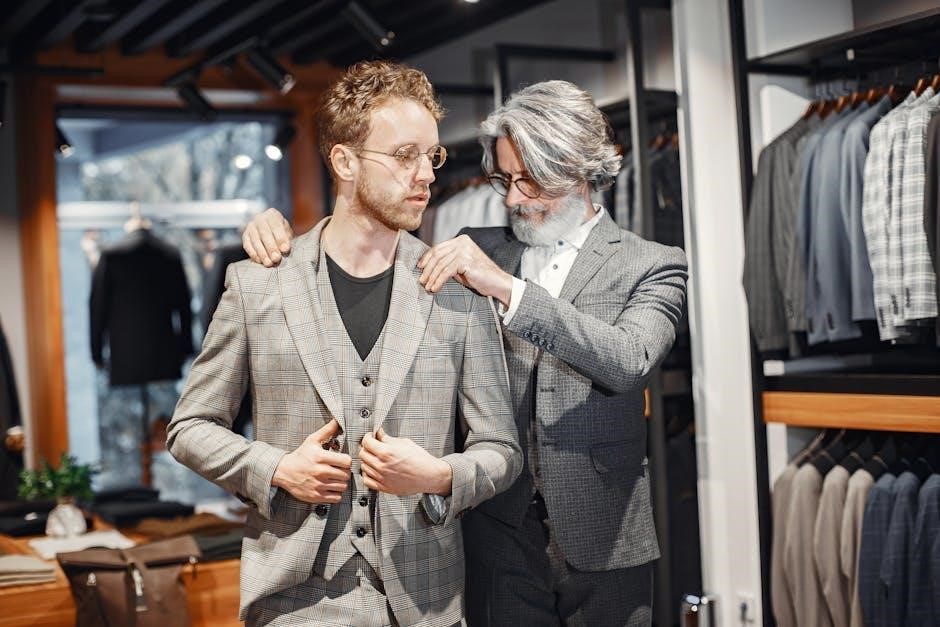
The process begins with pattern drafting, followed by precise cutting, basting, and iterative fitting stages to achieve a flawless, personalized garment.
Pattern Drafting: Creating the Foundation
Pattern drafting is the cornerstone of classic tailoring, demanding meticulous precision and a deep understanding of anatomy. Unlike utilizing pre-made patterns, this method involves creating a unique pattern specifically for the client’s measurements.
Traditionally, this begins with a block pattern – a basic, accurately sized template – which is then manipulated through a series of darts, seams, and adjustments. These alterations reflect the individual’s posture, shape, and desired style.
A skilled tailor doesn’t merely copy measurements; they interpret them, accounting for factors like shoulder slope, back curvature, and even habitual movements. This ensures the garment drapes beautifully and allows for comfortable, unrestricted movement. The resulting pattern serves as the blueprint for the entire tailoring process, dictating the cut and shape of the final piece.
Cutting the Fabric: Precision is Key
Cutting the fabric represents a critical stage in classic tailoring, demanding unwavering focus and a steady hand. Following the meticulously drafted pattern, the tailor carefully lays the cloth, paying close attention to the grain and nap – the direction of the fibers.
Accuracy is paramount; even a slight deviation can compromise the garment’s fit and drape. Sharp shears, or a specialized cutting knife, are used to precisely trace the pattern pieces, adding seam allowances for construction.
Experienced tailors often cut in multiple layers, maximizing efficiency while maintaining accuracy. Notches and markings are transferred from the pattern to the fabric, serving as guides during the assembly process. This stage transforms the chosen material into the individual components of the future garment, setting the stage for skillful construction.
Basting and Fitting: The First Stage
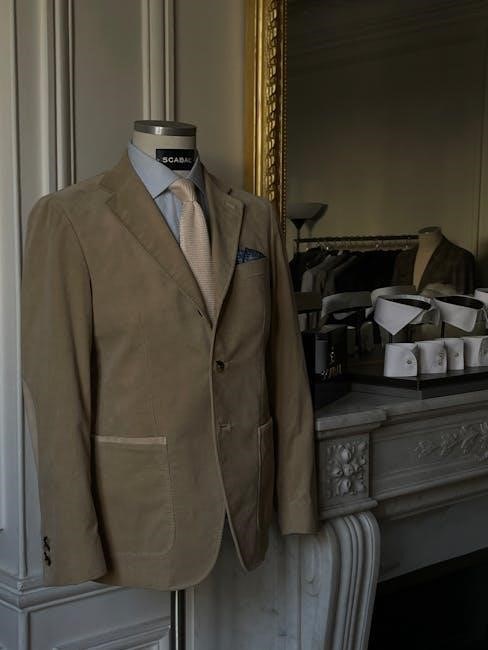
Basting and fitting mark the initial, crucial interaction between the tailor and the client’s form. Rather than permanent stitching, long, loose stitches – basting – temporarily hold the fabric pieces together, creating a preliminary version of the garment. This allows for adjustments before irreversible seams are made.
The client tries on this “basted fitting,” enabling the tailor to assess the fit, silhouette, and balance. Pinning, marking, and careful observation reveal areas needing alteration. Shoulders, waistlines, and overall proportions are refined to achieve a personalized fit.
Multiple fittings may occur, each progressively refining the garment’s shape. This iterative process, rooted in tradition, ensures a truly bespoke result, reflecting the client’s unique physique and preferences.
Shaping Techniques: Darts, Seams, and Padding
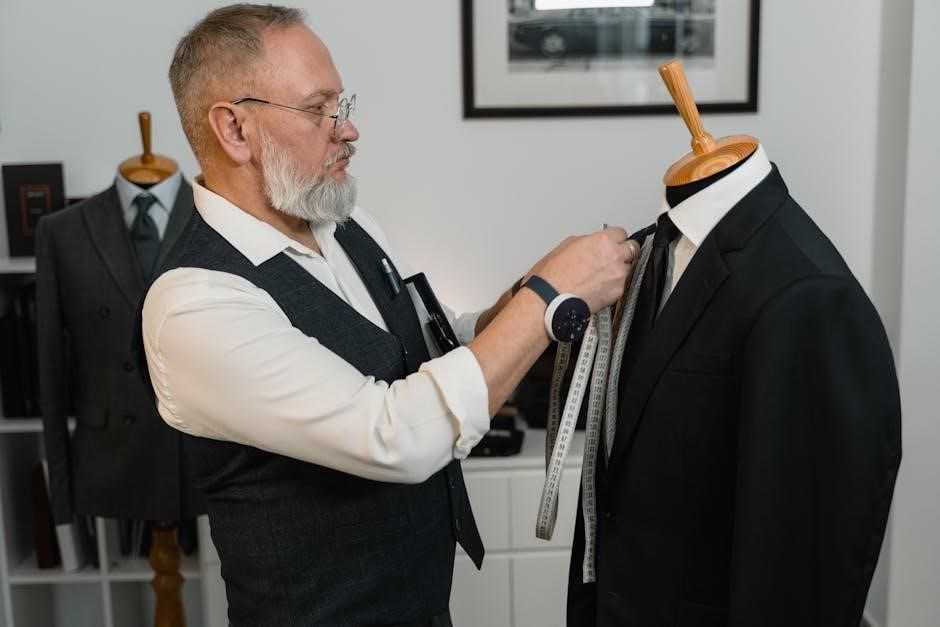
Shaping techniques are fundamental to transforming flat fabric into a three-dimensional garment that conforms to the body’s curves. Darts, carefully stitched folds, remove excess fabric, creating shape at the bust, waist, and hips. Strategically placed seams not only join fabric pieces but also contribute to the garment’s structure and silhouette.
Beyond darts and seams, padding plays a vital role, particularly in tailoring jackets and coats. Shoulder pads, chest pieces, and other internal structures enhance the garment’s form, providing support and creating a desired aesthetic. The skillful application of padding balances proportions and refines the overall look.
The transition to more fitted garments, as seen since 2024, heavily relies on these shaping methods for structured silhouettes.
Construction Techniques
Traditional canvas construction and modern fusing techniques represent core approaches to garment building, influencing structure, drape, and the overall quality of tailored pieces.
Canvas Construction: The Traditional Method
Canvas construction represents the pinnacle of tailoring, a time-honored technique demanding exceptional skill and patience. This method utilizes layers of horsehair canvas, meticulously shaped and hand-stitched to the fabric, creating a structured yet pliable foundation for the garment. Unlike fused methods, canvas allows the jacket to mold to the wearer’s body over time, developing a unique and flattering shape.
The canvas interlining provides support, defines the lapels, and prevents distortion. It’s a fully floated construction, meaning the canvas isn’t glued, but rather secured with careful basting stitches. This allows for breathability and a natural drape. The process involves significant handwork, including pad stitching – a dense network of stitches securing the canvas to the fabric – ensuring longevity and a superior fit. This painstaking approach results in a garment of unparalleled quality and enduring style.
Fusing Techniques: A Modern Approach
Fusing offers a contemporary alternative to traditional canvas construction, streamlining the tailoring process and reducing production costs. This technique employs heat-activated adhesives to bond interlining fabrics directly to the garment’s outer shell. While quicker and more economical, fusing presents distinct characteristics compared to canvas.
Modern fusing utilizes advanced adhesive technologies, improving breathability and washability. However, fused garments generally lack the same level of structure and drape as their canvas counterparts. The interlining doesn’t mold to the body in the same way, potentially resulting in a stiffer feel. Quality varies significantly; poorly executed fusing can delaminate over time. Despite these considerations, fusing remains a prevalent method, particularly in mass-produced tailoring, offering a balance of affordability and convenience.
Sleeve Setting and Shoulder Shaping
Sleeve setting and shoulder shaping are critical for achieving a comfortable and aesthetically pleasing fit. Traditionally, sleeves are eased into the armhole, meticulously shaped to allow for natural movement. Shoulder pads, whether lightly padded or more structured, define the shoulder line and contribute to the garment’s overall silhouette.
Savile Row tailors prioritize a natural shoulder, avoiding excessive padding. The sleeve pitch – the angle at which the sleeve is set – significantly impacts how the garment hangs. Precise shaping techniques, like darts and seams, refine the fit across the back and chest. A well-set sleeve allows for a full range of motion without pulling or binding. Achieving a seamless transition between shoulder, sleeve, and armhole requires exceptional skill and attention to detail, defining a garment’s quality.

Finishing Touches
Details matter; buttonholes, buttons, lining, and interlining complete the interior, while pressing and final inspection ensure impeccable quality and lasting refinement.
Buttonholes and Buttons: Details Matter
Buttonholes represent a significant hallmark of a tailor’s skill, traditionally executed by hand for superior quality and durability. The precise cut and neat stitching demonstrate meticulous attention to detail, elevating the garment’s overall aesthetic. A well-crafted buttonhole isn’t merely functional; it’s a subtle expression of artistry.
Buttons, similarly, contribute significantly to the final impression. Selection considers material – horn, mother-of-pearl, or bespoke designs – harmonizing with the fabric and style. Secure attachment is paramount, achieved through robust stitching techniques. The spacing and alignment of buttons must be precise, complementing the garment’s silhouette and ensuring ease of wear. These seemingly minor elements collectively define a garment’s refinement.
Lining and Interlining: Completing the Interior
Lining serves both aesthetic and functional purposes, concealing construction details and enhancing comfort. Traditionally, silk or Bemberg rayon are favored for their luxurious feel and breathability. A properly installed lining allows the garment to drape smoothly and prevents stretching or distortion of the outer fabric. It also protects the shell from wear and tear, extending the garment’s lifespan.
Interlining, positioned between the outer fabric and lining, provides structure and shape. Canvas, a woven horsehair fabric, is a classic choice, offering superior body and allowing the garment to mold to the wearer’s form over time. Careful application of interlining is crucial for achieving a refined silhouette and ensuring a lasting, well-fitted garment.
Pressing and Final Inspection
Pressing, distinct from ironing, is a critical final stage. Utilizing a tailor’s ham and various pressing cloths, the garment is shaped and refined, removing wrinkles and setting seams. Steam and controlled heat are essential for achieving a crisp, clean finish without damaging the fabric. Each section – lapels, sleeves, and body – receives individual attention.
The final inspection is meticulous. Every buttonhole, button attachment, seam, and edge is scrutinized for imperfections. The garment’s overall balance and drape are assessed, ensuring it meets the highest standards of quality and fit. This detailed process guarantees a polished, professional result, reflecting the skill and dedication of the tailor.
Regional Tailoring Styles
British, Italian, and American cuts represent distinct tailoring philosophies, each prioritizing structure, drape, or practicality in garment construction and overall aesthetic.
British Cut: Structure and Formality
The British cut, deeply rooted in Savile Row tradition, emphasizes a structured silhouette and refined formality. This style prioritizes a robust canvas construction, providing shape and longevity to the garment. Shoulders are typically broadened and slightly padded, creating a powerful and defined look. Darts and seams are meticulously employed to sculpt the fabric, ensuring a precise fit that conforms to the body’s natural contours.
Jackets often feature a higher gorge point and a suppressed waist, contributing to a classic, tailored aesthetic. The emphasis is on clean lines and a timeless elegance, making it suitable for both business and formal occasions. British tailoring often utilizes heavier weight fabrics, further enhancing the garment’s structure and durability. This approach results in a sophisticated and enduring style, embodying the hallmarks of traditional craftsmanship.
Italian Cut: Softness and Drape
The Italian cut distinguishes itself through a focus on softness, drape, and natural shoulder construction. Unlike the structured British style, Italian tailoring prioritizes comfort and fluidity. Jackets typically exhibit a lighter build, often utilizing minimal padding and a softer canvas interlining. This allows the fabric to fall more naturally, creating a relaxed yet elegant silhouette.
Shoulder lines are generally softer and less defined, promoting ease of movement. Italian tailors frequently employ techniques like darting and seaming to subtly shape the garment without restricting the wearer. Fabrics are often chosen for their luxurious feel and drape, such as lightweight wools and silks. The overall aesthetic is one of understated sophistication, emphasizing a refined and effortless style that embodies Italian elegance.
American Cut: Practicality and Comfort
The American cut prioritizes practicality and comfort, diverging from the more formal British and fluid Italian styles. Characterized by a relaxed silhouette, it often features minimal structure and a natural shoulder line. Jackets tend to be less fitted, allowing for greater ease of movement and layering. Padding is typically reduced, contributing to a lighter and more comfortable feel.
American tailoring often employs simpler construction techniques, focusing on functionality over elaborate detailing. While still maintaining a polished appearance, the emphasis is on wearability and versatility. Fabrics are chosen for their durability and ease of care, reflecting a pragmatic approach to style. This cut appeals to those seeking a refined yet unpretentious look, suitable for everyday wear and a variety of occasions.