Swapping a Manual Transmission to Automatic: A Comprehensive Guide (Updated 02/07/2026)
Converting from a manual to automatic transmission offers convenience, especially in congested traffic, though it’s a complex process requiring careful planning and execution.
For many drivers, the allure of an automatic transmission lies in its simplicity and ease of use, particularly during daily commutes plagued by stop-and-go traffic. The constant engagement of the clutch and precise gear changes in a manual system can become tiresome.
Consequently, a growing number of vehicle owners are exploring the possibility of converting their manual transmission vehicles to automatic. While technically feasible, this undertaking is not a simple bolt-on modification. It demands a significant investment of time, resources, and mechanical expertise. The appeal centers around enhanced driving comfort and reduced driver fatigue, making the conversion worthwhile for certain individuals.
Is the Swap Worth It? Cost vs. Benefit Analysis
Evaluating whether a manual-to-automatic transmission swap is justifiable requires a thorough cost-benefit analysis. The financial outlay can be substantial, encompassing parts, labor (if not DIY), and potential unforeseen expenses. Benefits include increased driving comfort, especially in traffic, and broader vehicle appeal for resale.
However, consider potential drawbacks like reduced fuel efficiency and a diminished sense of driver engagement. The cost often exceeds the resale value increase, making it primarily a convenience upgrade. Carefully weigh these factors against your individual needs and budget before proceeding.
Vehicle Compatibility: Identifying Suitable Candidates
Not all vehicles are equally suited for a manual-to-automatic transmission swap. Factors like engine bay space, existing mounting points, and available wiring harnesses significantly impact feasibility. Vehicles originally offered with both transmission types are generally easier conversions, as many components are directly interchangeable.
Researching online forums and communities specific to your vehicle model is crucial. Determine if conversion kits are available or if extensive fabrication will be required. Consider the complexity and potential cost before committing to a swap on a less common platform.
Popular Vehicles for Manual-to-Automatic Swaps
Certain vehicles consistently appear as popular choices for manual-to-automatic conversions due to readily available parts and established procedures. The Ford Mustang (Fox Body and SN95 generations) is a frequent candidate, alongside older Chevrolet Camaros and Pontiac Firebirds; Many classic trucks, like the Chevrolet C10, also see these swaps.
Japanese imports, such as the Nissan 240SX and Mazda Miata, are sometimes converted, though these can be more challenging. Popularity often correlates with a strong aftermarket support network and detailed online guides.
Year and Model Specific Considerations
Each vehicle year and model presents unique challenges during a manual-to-automatic swap. Older cars often lack factory provisions for an automatic, requiring more extensive modifications to the transmission tunnel and mounting points. Electronic systems in newer vehicles necessitate careful wiring and TCM integration.
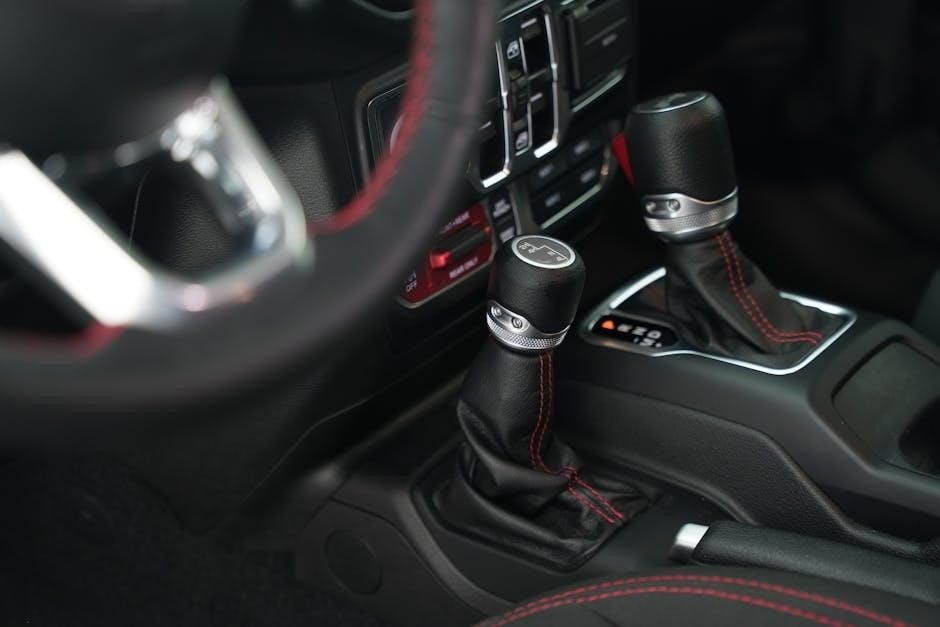
Specific models may have limited automatic transmission options, impacting compatibility. Researching forums and build logs for your exact vehicle is crucial to identify potential roadblocks and successful strategies.
Parts Required: A Detailed Inventory
A successful manual-to-automatic conversion demands a comprehensive parts list. This includes the automatic transmission itself, a compatible torque converter, and the complete shifter assembly with necessary cables. Don’t forget appropriate transmission mounts designed for the automatic unit.
You’ll likely need a new pedal assembly, a wiring harness, and a Transmission Control Module (TCM). Driveshaft modifications might be necessary, and sourcing these parts beforehand streamlines the process.
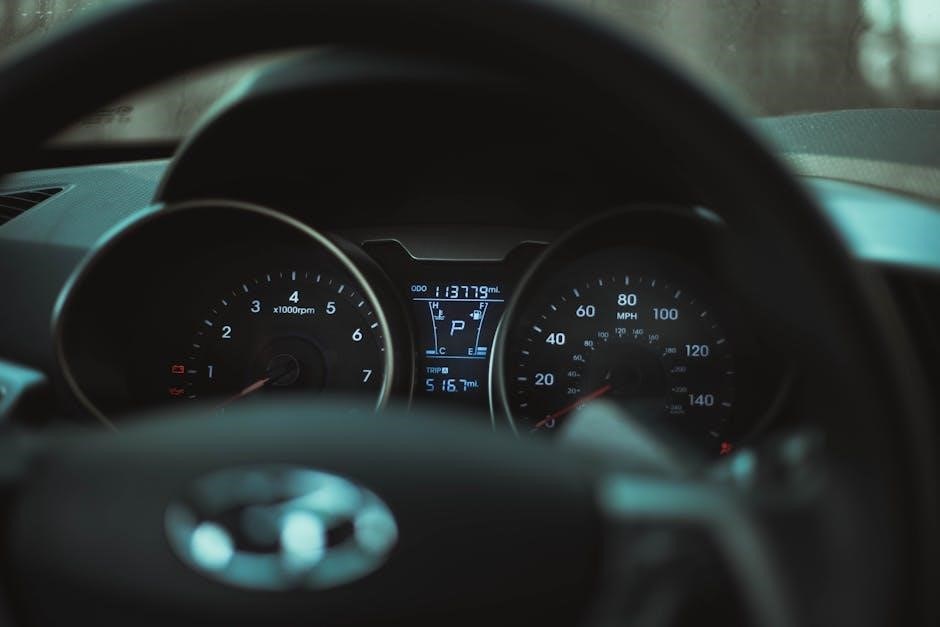
Automatic Transmission Unit
Selecting the correct automatic transmission is paramount. Consider factors like your engine’s horsepower and torque ratings, as well as the vehicle’s intended use. A transmission sourced from a similar vehicle model year is often the most straightforward option.
Ensure the transmission is in good working order, ideally rebuilt or with a documented service history. Thoroughly inspect for any signs of damage or wear before purchasing, prioritizing reliability and longevity.
Torque Converter
The torque converter is a crucial component, hydraulically coupling the engine to the transmission. It must be perfectly matched to both the engine and the chosen automatic transmission for optimal performance and efficiency.
Stall speed is a key specification; higher stall speeds are suited for performance applications, while lower speeds prioritize fuel economy. Inspect the torque converter for any signs of damage, ensuring smooth operation and preventing potential drivetrain issues.
Shifter Assembly & Cables
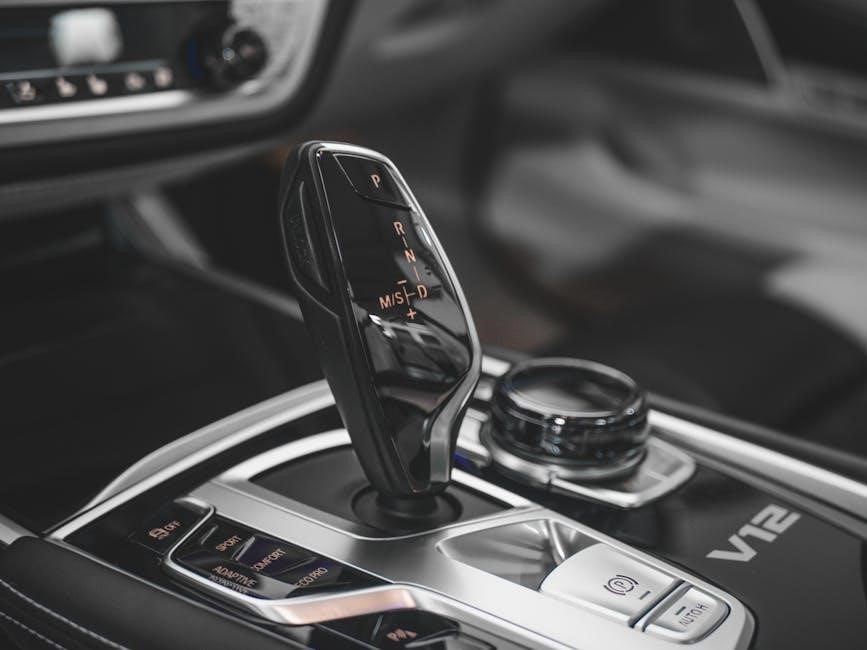
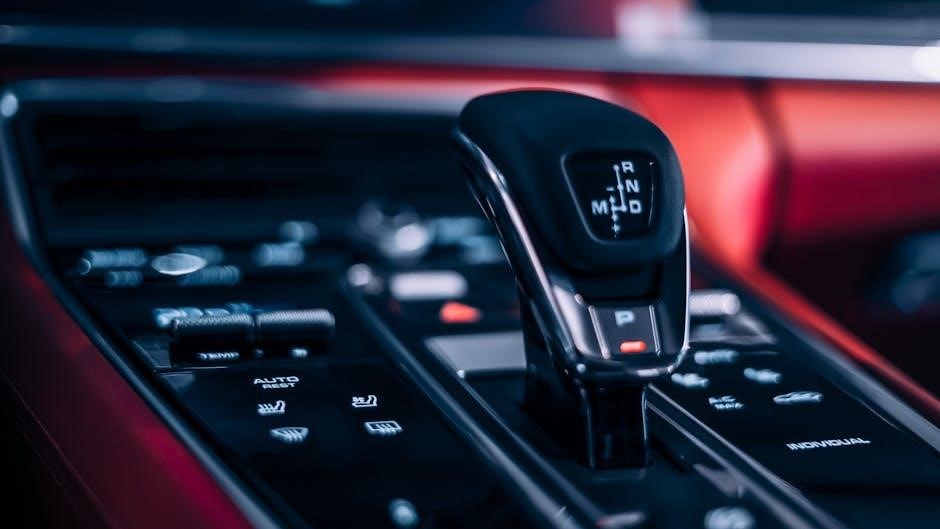
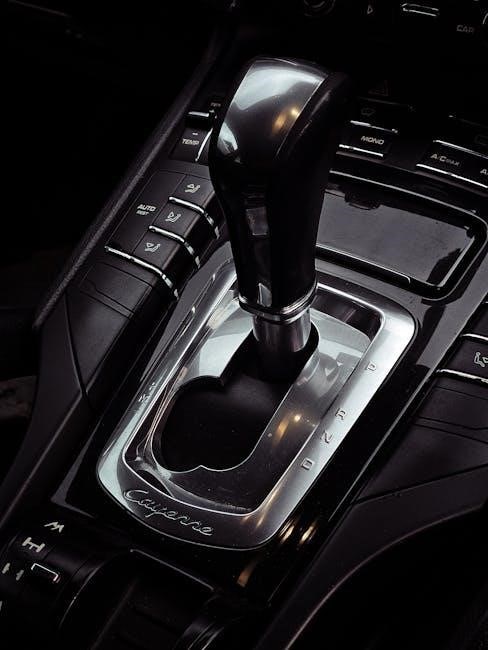
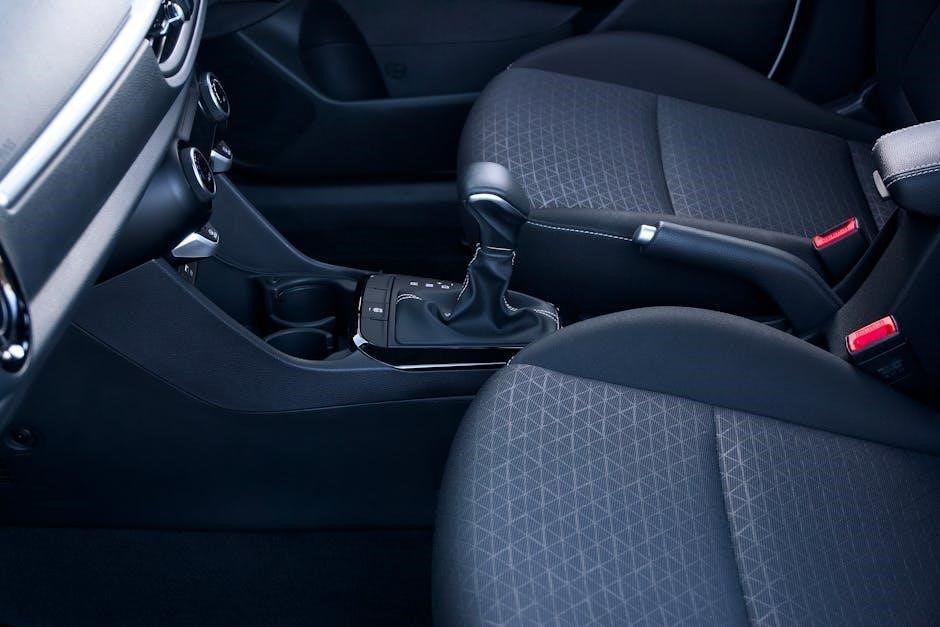
A complete automatic shifter assembly, including the console trim and shift indicator, is essential. Ensure compatibility with your vehicle’s interior. The necessary shift cables connect the shifter to the transmission, dictating gear selection.
Proper cable routing is vital to avoid binding or interference. Adjustments may be needed for precise gear engagement. Consider aftermarket options for enhanced feel or a custom look, but prioritize quality and reliable functionality for a smooth driving experience.
Transmission Mounts
Automatic transmissions often differ in size and mounting points compared to manual transmissions, necessitating new transmission mounts. These mounts securely attach the transmission to the vehicle’s frame, absorbing vibrations and reducing noise.
Using the correct mounts is crucial for proper alignment and preventing damage. Inspect the existing mount locations for any necessary modifications. Polyurethane mounts offer enhanced stability, while rubber mounts provide better vibration isolation – choose based on your driving preferences.
Driveshaft Modifications (if needed)
The automatic transmission’s length may differ from the manual, potentially requiring driveshaft adjustments. Measure both transmissions carefully to determine if the existing driveshaft will fit without interference.
If a modification is needed, options include shortening or lengthening the driveshaft, or replacing it entirely. Ensure proper U-joint angles are maintained to prevent vibrations. A professional driveshaft shop can accurately measure and modify the driveshaft for optimal performance and longevity, guaranteeing a smooth ride.
Wiring Harness & Transmission Control Module (TCM)
Automatic transmissions require a dedicated wiring harness and a Transmission Control Module (TCM) to function correctly. The TCM manages gear selection, shift timing, and other vital parameters.
You’ll likely need a new wiring harness compatible with the automatic transmission. Integrating the TCM involves connecting it to the vehicle’s electrical system and potentially reprogramming it for optimal performance. Careful wiring and proper TCM function are crucial for a reliable and smooth automatic operation.
Pedal Assembly (Brake & Accelerator)
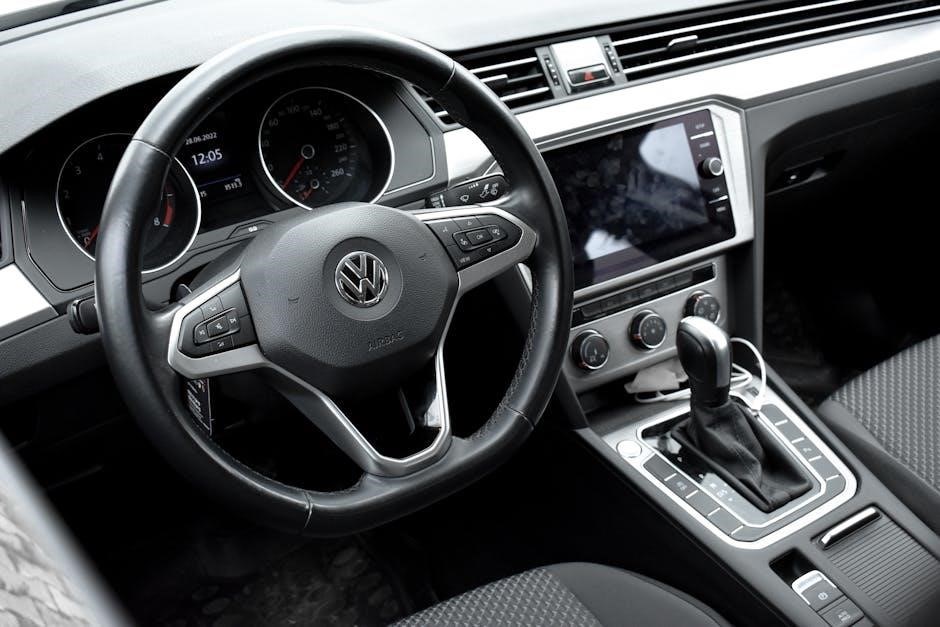
Switching to an automatic transmission necessitates changes to the pedal assembly. The clutch pedal is, of course, removed, simplifying the footwell. However, the brake and accelerator pedal configurations may require modification or replacement.
Automatic vehicles often have a wider accelerator pedal. Ensuring proper brake pedal positioning is vital for safety and comfortable driving. Adapting or installing the correct pedal assembly guarantees seamless integration with the new automatic drivetrain.
Tools Needed: Preparing for the Conversion
A successful manual-to-automatic swap demands a comprehensive toolkit. Essential items include a full socket set, wrenches (metric and standard), torque wrenches, and various screwdrivers. You’ll also need jack stands, a hydraulic jack, and potentially an engine hoist.
Specialized tools like a transmission jack are highly recommended. Diagnostic tools, including a scan tool for reading codes, are crucial for post-installation checks. Safety gear – gloves and eye protection – is non-negotiable throughout the process.
The Removal Process: Disconnecting the Manual Transmission
Begin by disconnecting the driveshaft, carefully marking its orientation for reinstallation. Detach the shift linkage, clutch cable (or hydraulic line), and any wiring connected to the manual transmission. Support the engine from above to prevent strain during removal.
Unbolt the transmission mount and carefully lower the manual transmission using a transmission jack. This step requires patience and attention to detail to avoid damaging surrounding components. Drain the transmission fluid before complete removal.
Installation of the Automatic Transmission
Carefully raise the automatic transmission with a transmission jack, aligning it with the engine’s dowel pins. Gently push the transmission into place, ensuring it seats fully against the engine. Secure the transmission mount, using new hardware if necessary.
Connect the torque converter to the flexplate, verifying proper alignment. Reinstall the driveshaft, maintaining the original marked orientation. Double-check all connections before proceeding to the next stage of the conversion.
Wiring and Electronic Integration: Connecting the TCM
The Transmission Control Module (TCM) requires a dedicated power supply, ground, and communication lines to the vehicle’s network. Carefully connect the wiring harness, referencing the vehicle’s wiring diagrams. Ensure all connectors are securely fastened to prevent intermittent issues.
Some vehicles may require reprogramming the PCM to recognize the TCM. Verify proper communication between the TCM and other modules using a diagnostic scanner.
Drivetrain Adjustments: Ensuring Proper Functionality
Post-installation, meticulous drivetrain adjustments are crucial. Verify the driveshaft length; modifications may be needed to accommodate the automatic transmission’s different dimensions. Inspect U-joints for proper operation and lubrication.
Calibrate the shift linkage to ensure smooth and accurate gear selection. Confirm the torque converter is properly aligned with the flexplate. A thorough check guarantees optimal performance and prevents premature wear.
Driveshaft Length and U-Joints
Automatic transmissions often differ in length compared to manuals, potentially necessitating driveshaft adjustments. Measure carefully to avoid vibration or damage. Shortening or lengthening the driveshaft might be required, demanding professional welding and balancing.
Inspect U-joints for wear, play, or damage during the swap. Replace them if necessary, ensuring proper lubrication. Correct driveshaft length and healthy U-joints are vital for smooth power transfer and drivetrain longevity.
Shift Linkage Calibration
Precise shift linkage calibration is crucial for a seamless automatic transmission experience. After installation, verify that the shifter accurately corresponds to the selected gear (Park, Reverse, Neutral, Drive, etc.). Incorrect calibration can lead to harsh shifts or difficulty selecting gears.
Adjust the shift cable, if applicable, following the vehicle’s service manual. Test thoroughly through all gear positions, ensuring smooth and positive engagement. Fine-tuning may be needed for optimal performance.
Fluid and Cooling Systems: Essential for Automatic Operation
Automatic transmissions rely heavily on fluid for lubrication, hydraulic pressure, and cooling. Selecting the correct transmission fluid type, specified by the vehicle manufacturer, is paramount for longevity and performance.
Furthermore, a dedicated transmission cooler is often essential, especially for towing or demanding driving conditions. Proper fluid level checks and regular fluid changes are vital maintenance procedures, preventing overheating and ensuring smooth operation.
Transmission Fluid Type and Level
Choosing the correct transmission fluid is critical; using the wrong type can cause severe damage. Consult your vehicle’s manual or a trusted parts supplier for the specified fluid.
Checking the fluid level requires the engine to be running and warm, following the manufacturer’s procedure. Low fluid levels lead to slipping and overheating, while overfilling can cause aeration and reduced efficiency. Regular checks, typically every month, are recommended for optimal performance.
Transmission Cooler Installation
Automatic transmissions generate significant heat, necessitating a cooler to prevent overheating and fluid breakdown. Installation typically involves mounting a cooler in front of the radiator, ensuring adequate airflow.
Properly sized lines must then connect the cooler to the transmission. Some installations may require minor modifications to the vehicle’s cooling system. A correctly installed cooler extends transmission life and maintains optimal operating temperatures, especially during towing or demanding driving conditions.
Testing and Diagnostics: Verifying the Swap
Post-installation, thorough testing is crucial. Begin with a static check – verifying fluid levels and for any leaks. Then, a slow, controlled drive tests shifting through all gears.
Utilize an OBD-II scanner to check for Diagnostic Trouble Codes (DTCs) related to the transmission. Monitor transmission temperature during operation. Smooth, precise shifts and the absence of unusual noises indicate a successful swap. Address any issues immediately to prevent further damage.
Potential Challenges and Troubleshooting
Several hurdles can arise during a manual-to-automatic swap. Incorrect wiring or a faulty TCM can cause shifting problems. Driveshaft length discrepancies lead to vibrations. Fluid leaks may occur from improperly sealed connections.
Troubleshooting involves systematically checking wiring, the TCM, and fluid levels. Diagnostic scanners pinpoint DTCs. Ensure proper driveshaft length and U-joint angles. Address any issues promptly to avoid transmission damage and ensure smooth operation.
Common Issues During Installation
Frequently encountered problems include difficulty removing the manual transmission, especially if corroded bolts are present. Incorrect torque converter alignment can cause damage upon startup. Wiring harness incompatibility often necessitates splicing or custom fabrication.
Transmission mount misalignment leads to vibrations. Shifter cable adjustments can be finicky. Insufficient clearance for the automatic transmission may require modifications. Careful attention to detail and proper component alignment are crucial for a successful installation.
Diagnostic Trouble Codes (DTCs) and Solutions
Common DTCs post-swap include P0700 (Transmission Control Module malfunction), often stemming from wiring issues or a faulty TCM. P0870 (Torque Converter Clutch Circuit Performance/Stuck Off) indicates converter problems. P0420 (Catalyst System Efficiency Below Threshold) can arise from altered engine load.

Solutions involve verifying wiring connections, TCM reprogramming, torque converter inspection, and addressing any exhaust system impacts. A quality scan tool is essential for accurate diagnosis and resolution.
Legal Considerations: Regulations and Inspections
Modifying a vehicle’s drivetrain can trigger legal scrutiny. Many jurisdictions require inspections to ensure compliance with emissions and safety standards post-transmission swap. Check local laws regarding modifications; some areas mandate notification to the DMV.
Ensure the TCM and related components are compliant. Alterations affecting emissions may necessitate re-certification. Document all changes meticulously for inspection purposes, potentially avoiding fines or requiring a return to stock configuration.
Cost Breakdown: Estimating the Total Expense
A manual-to-automatic swap isn’t cheap. Transmission costs range from $800 to $3,000+ depending on condition and source. Factor in $200-$500 for a torque converter, $100-$300 for a shifter assembly, and $150-$400 for mounts.
Wiring and TCM costs can add $300-$800. Driveshaft modifications, if needed, are $100-$300. Labor, if outsourced, could easily exceed $1,000. Fluid, cooler, and miscellaneous parts contribute another $200-$500, totaling $2,000, $6,000+.
DIY vs. Professional Installation: Weighing Your Options
Attempting a manual-to-automatic swap yourself saves significant labor costs, potentially $1,000 or more, but demands substantial mechanical expertise, specialized tools, and time. Incorrect installation risks costly damage.
Professional installation ensures accuracy and often includes a warranty, providing peace of mind. However, it’s the pricier route. Carefully assess your skills, resources, and risk tolerance before deciding. A hybrid approach – tackling some tasks yourself – can balance cost and confidence.
Long-Term Maintenance: Caring for Your New Automatic Transmission
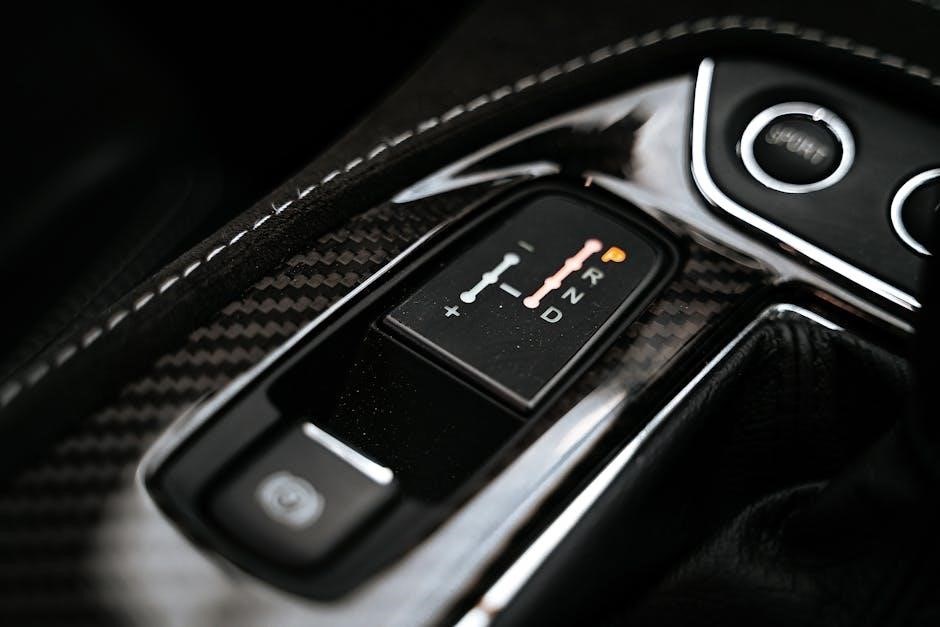
Post-swap, diligent maintenance is crucial for your automatic transmission’s longevity. Regular fluid checks and changes, following the manufacturer’s recommendations, are paramount. Inspect for leaks and address them promptly.
Pay attention to shifting quality; any unusual noises or delays warrant investigation. Consider a transmission cooler upgrade for demanding use. Avoid harsh driving habits and ensure proper cooling system function to prevent overheating and premature wear, maximizing your investment.
Performance Implications: How the Swap Affects Driving
Switching to an automatic transmission generally alters the driving experience. Expect a reduction in driver engagement and potentially, slight performance losses due to inherent inefficiencies. However, modern automatics minimize this impact.
Acceleration might feel less direct, but improved convenience and reduced driver fatigue are significant gains. Fuel economy could slightly decrease, depending on the transmission and driving style. Overall, the swap prioritizes comfort over raw performance.
Resources and Further Information: Where to Find Help
For detailed guidance, online automotive forums dedicated to your vehicle make and model are invaluable. Websites specializing in transmission parts, like Summit Racing or Jegs, offer technical information and support.
YouTube channels featuring transmission swaps provide visual walkthroughs. Local transmission shops can offer advice, and some may perform the conversion. Consider factory service manuals for specific procedures and diagrams. Don’t hesitate to seek professional help when needed!